The video for this tour has been on the Youtube channel for a long time but I thought it deserved a blog article as well. It was one of the first videos I made so the audio has too much echo in places and the video is a bit shaky so please be kind when you view it. I think my video skills have improved since then. I am writing this article a full 10 months after the fact. It was a wonderful trip and well worth looking back on.
Day 1
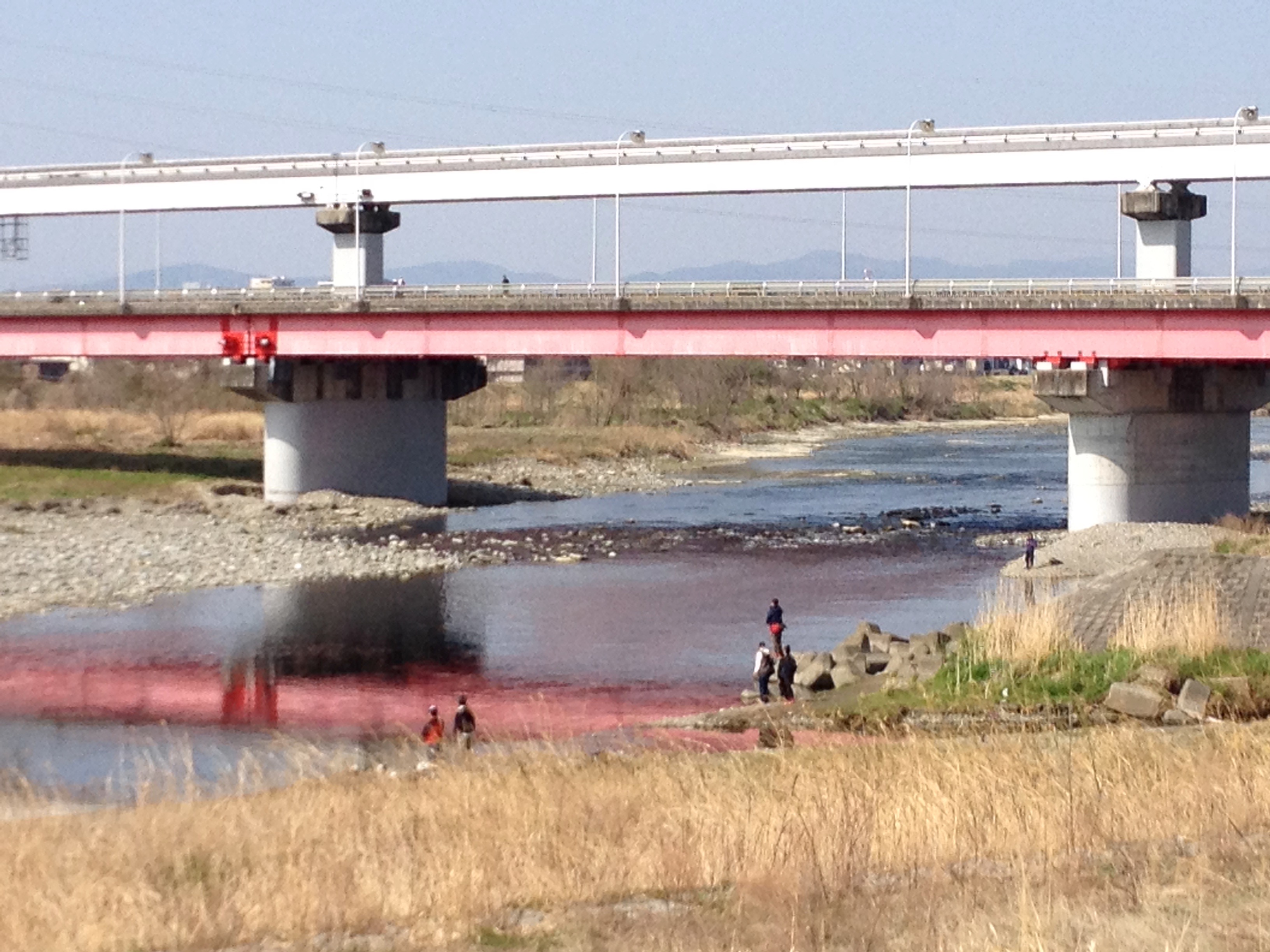
I left late in the day so the first day I had just enough time to get to the river, a mere 8 km away, and set up my camp before sunset. If I had just gone to the river and camped for the night then returned home it would still have been a good trip. This goes to show that you really don’t have to go far to go on a great bike trip. Maybe, technically, you can’t call an overnighter that is still in your neighborhood a bike “tour” but it can still be great.
Day 2
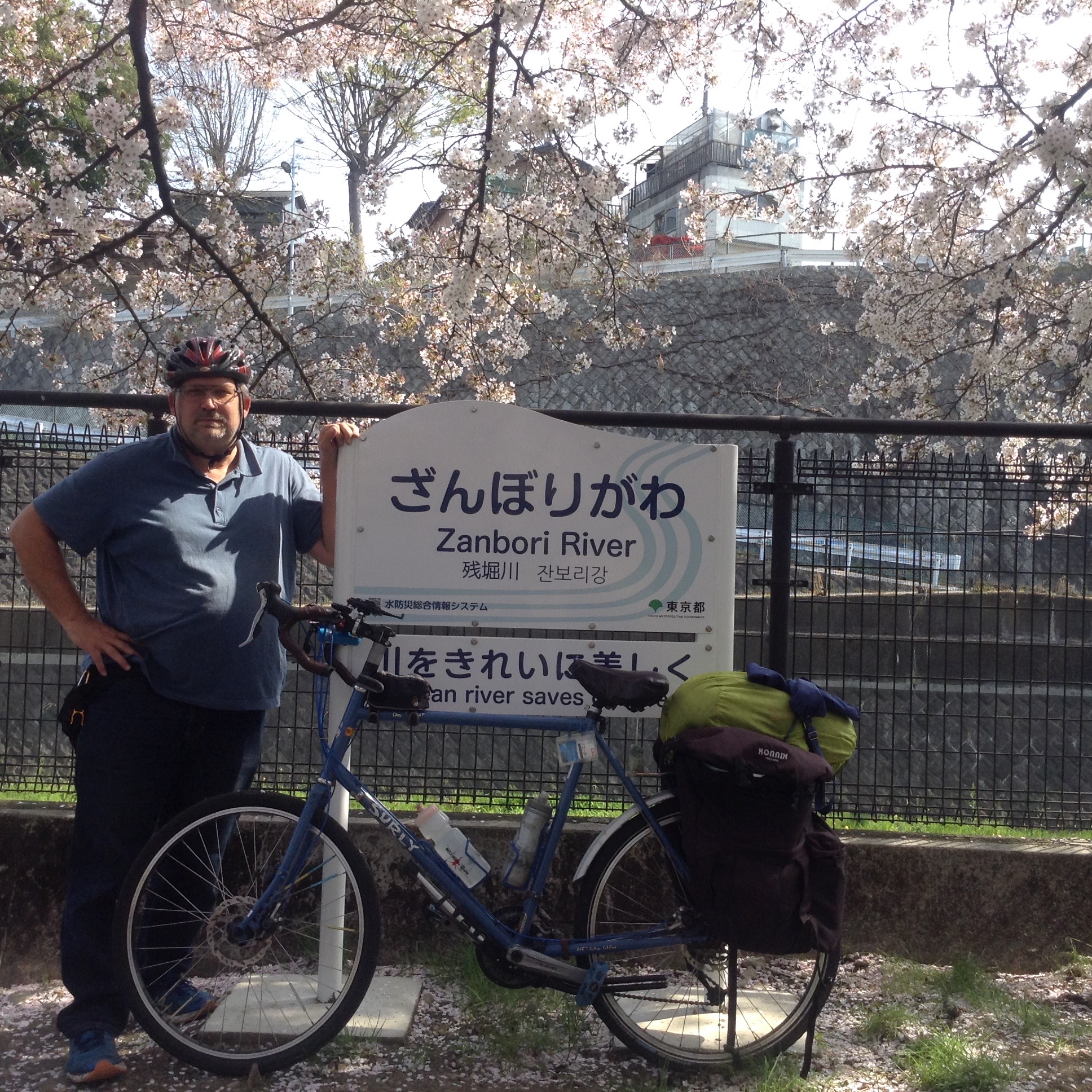
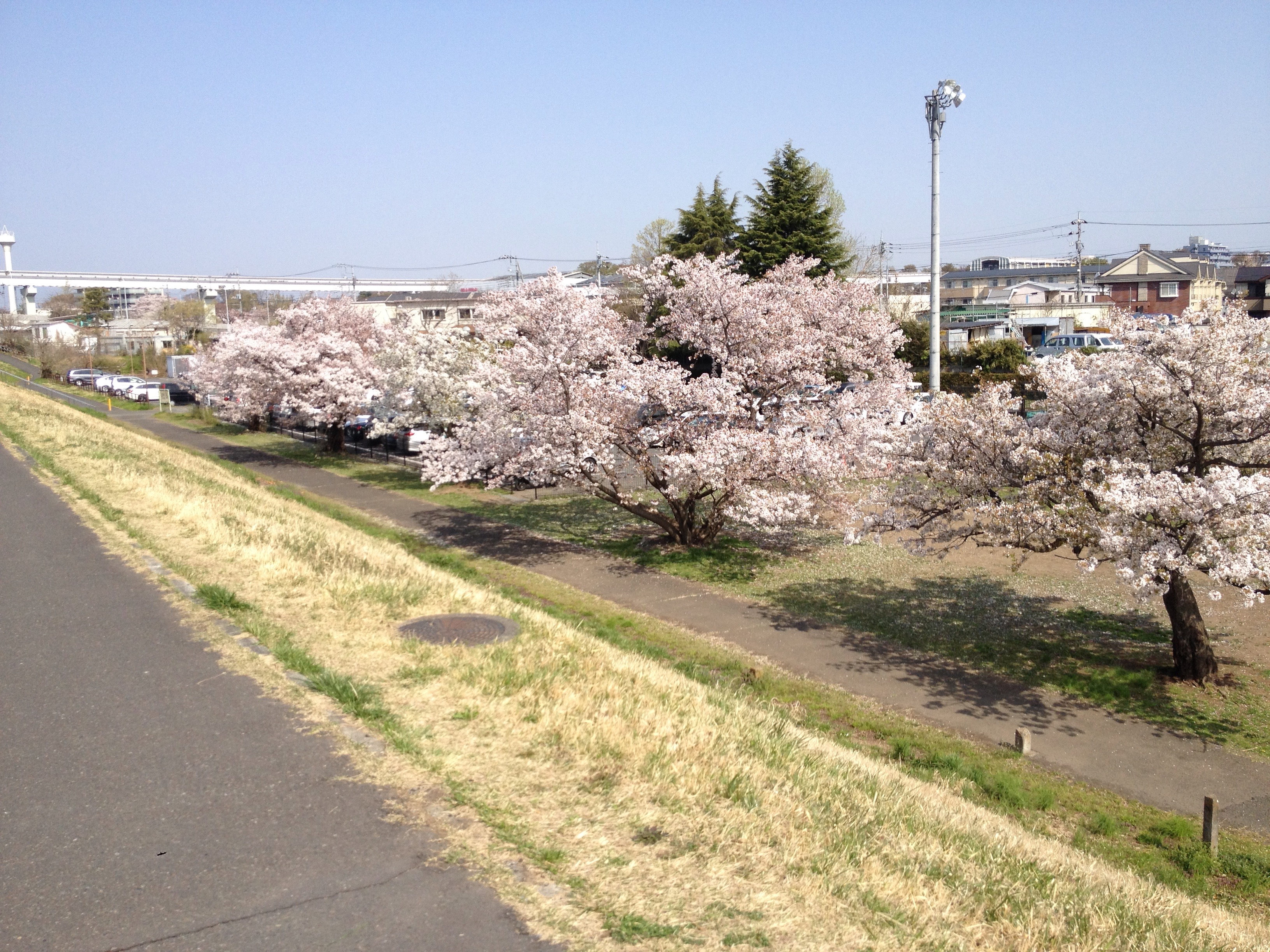
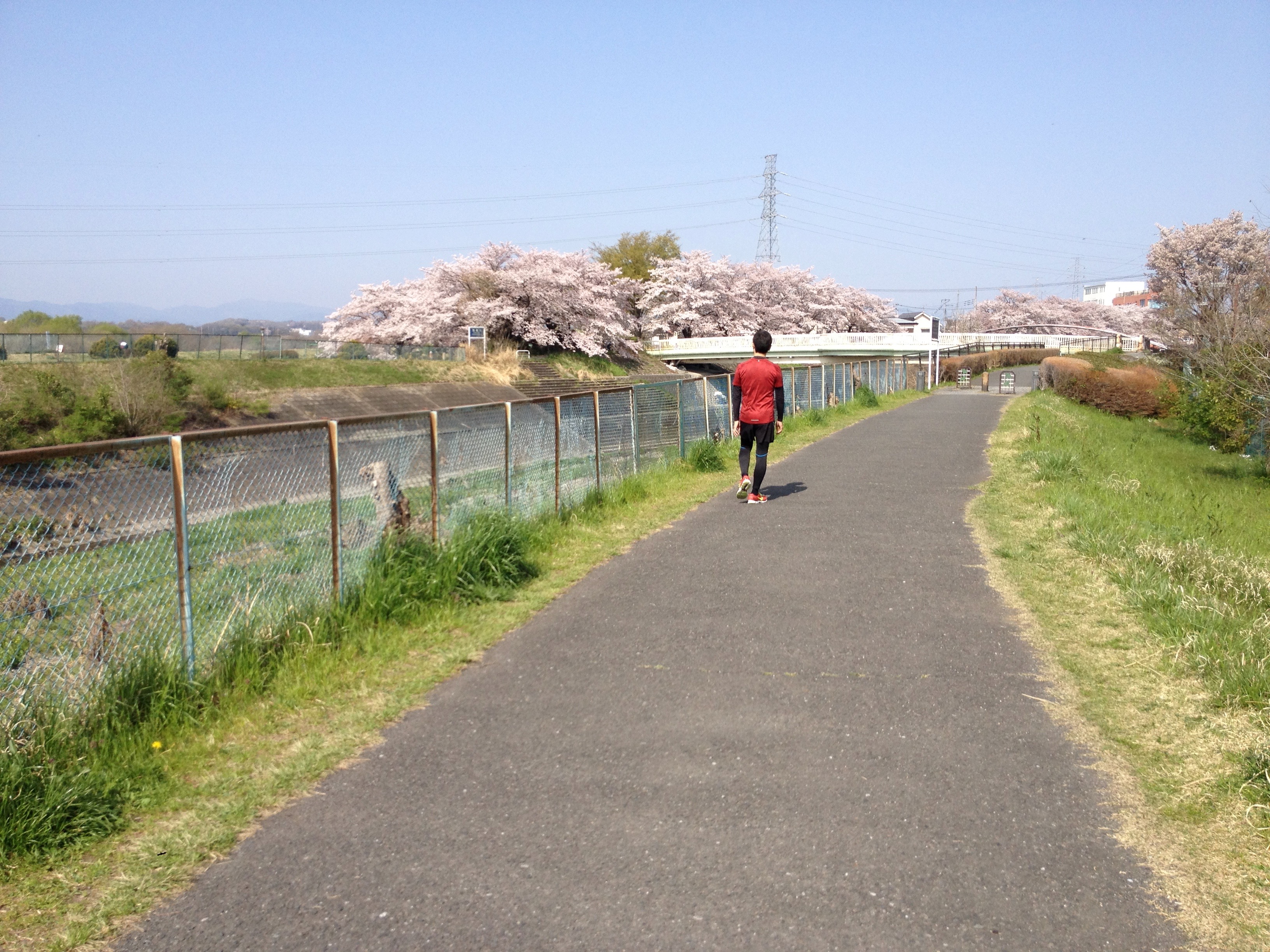
On the second day I pointed my front wheel upstream with the goal of reaching Hamura, a scant 20 km away. I was pleasantly surprised that the cherry blossoms were still in bloom. I was doubly surprised when I stumbled upon a spring cherry blossom festival. I dismounted and enjoyed some festival food and atmosphere beneath the cherry blossoms. Cherry blossom time is just around the corner. I hope I have time to do it again.

Hamura is special to me because it is the first “destination” I ever had on a bike ride in Japan. It is the source of the historic Tamagawa Josui Canal. The canal has its source in Hamura where it is diverted from the Tama River, flows very near my house and continues east where is currently peters out near Koshukaido. In ancient times, around 1635, it flowed all the way to Shinjuku where it provided water to the growing capitol city of Edo. Watering all of small villages along the way.
Lessons Learned
To quote Tim Mooney, “Ride your ride.” There are no rules for what is and what is not a bike tour. In my opinion, if you just go somewhere, stay overnight and come home you have successfully gone on a bike tour. It doesn’t made if you camp or stay in a hotel, cook your own food or buy a bento from the convenience store. Just get out there and ride.
Photo Gallery
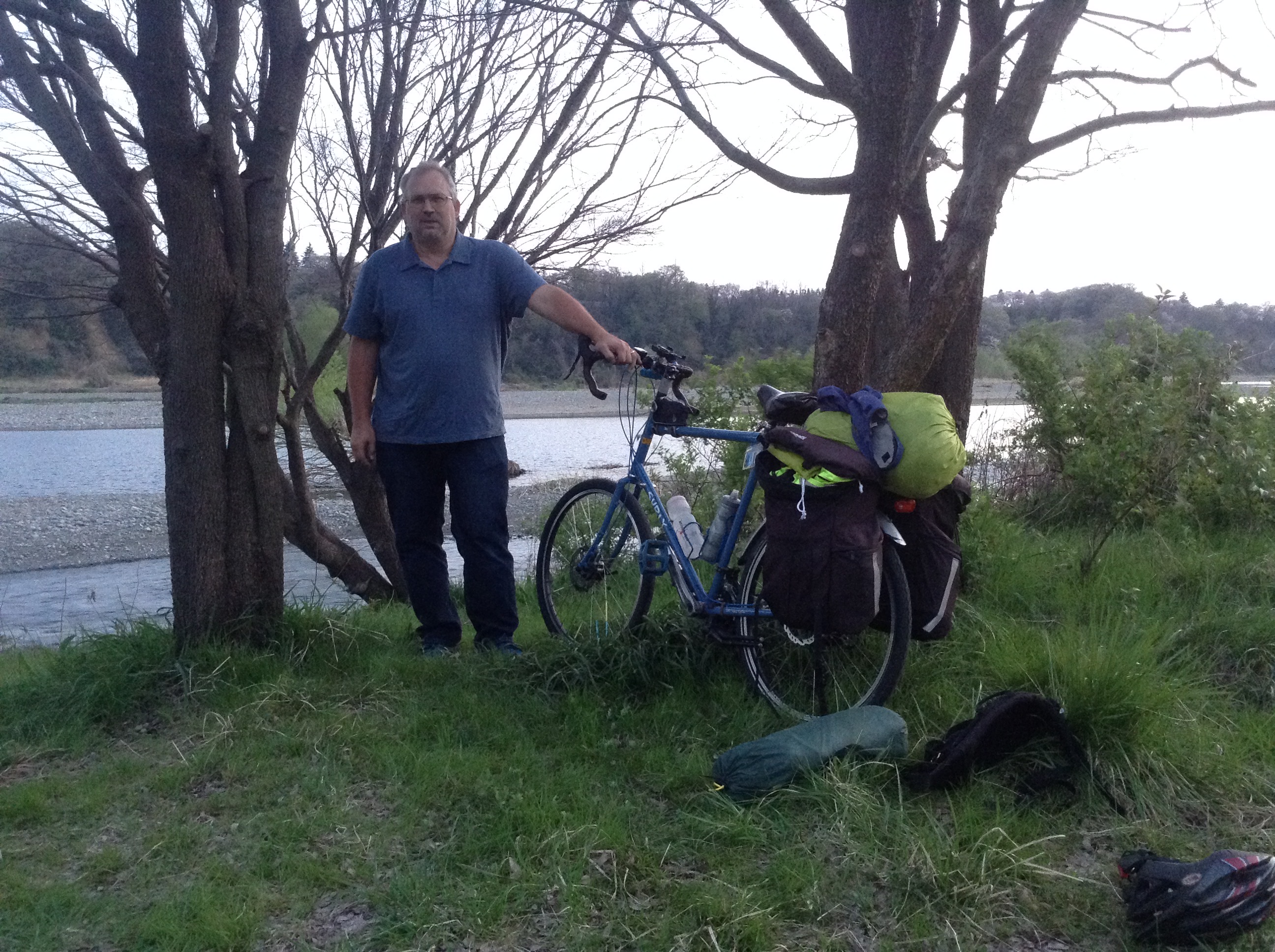
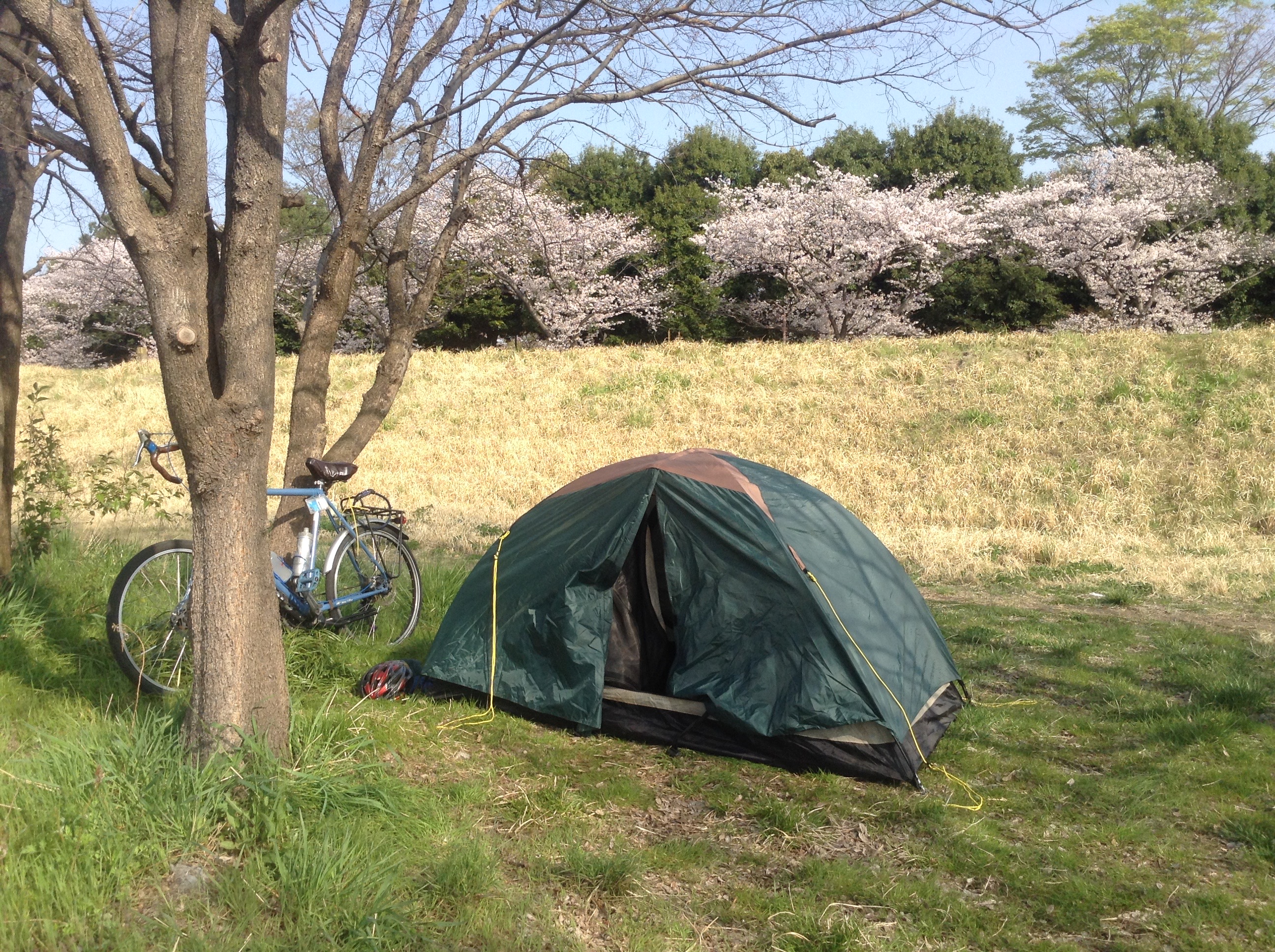
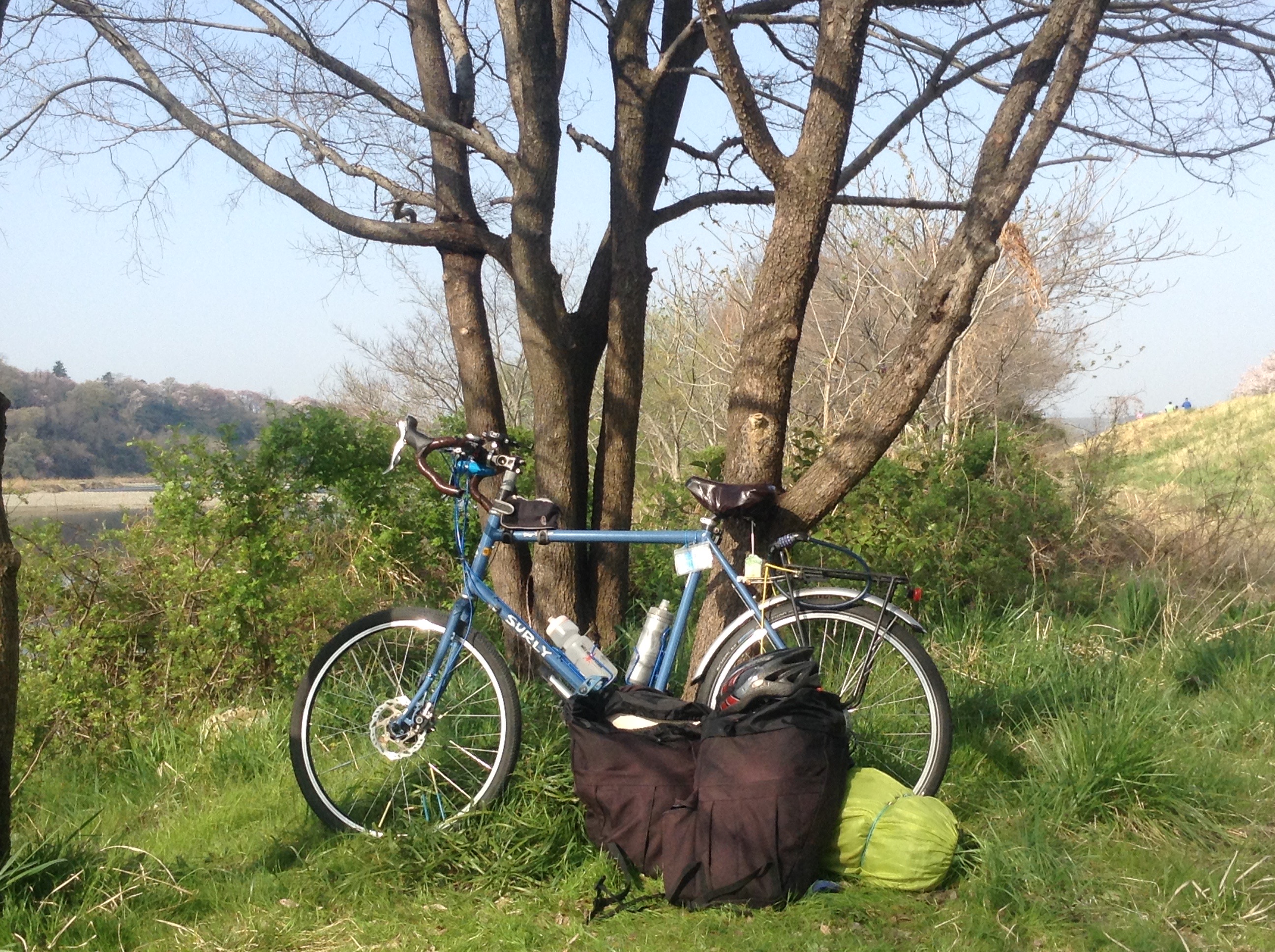
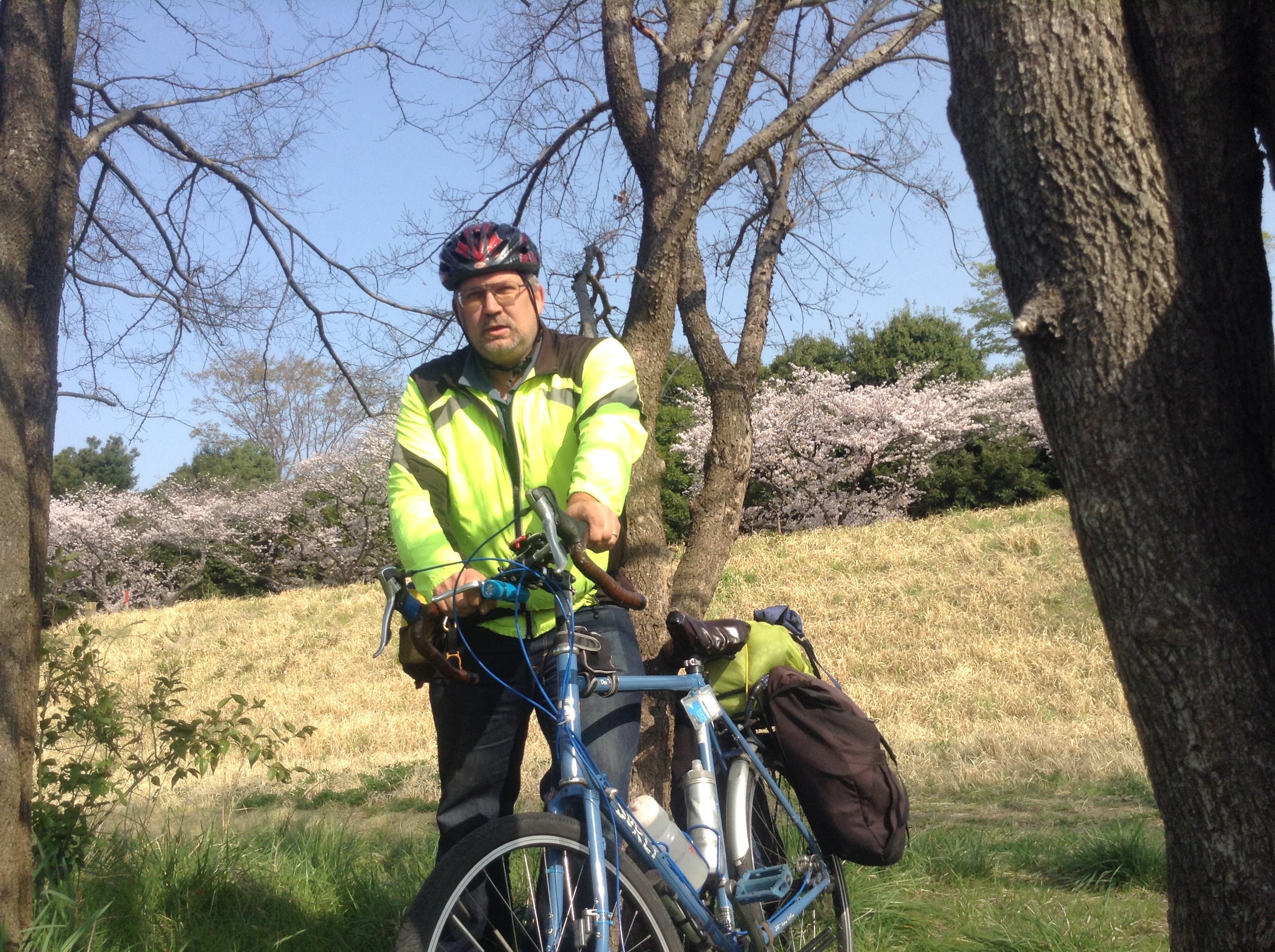
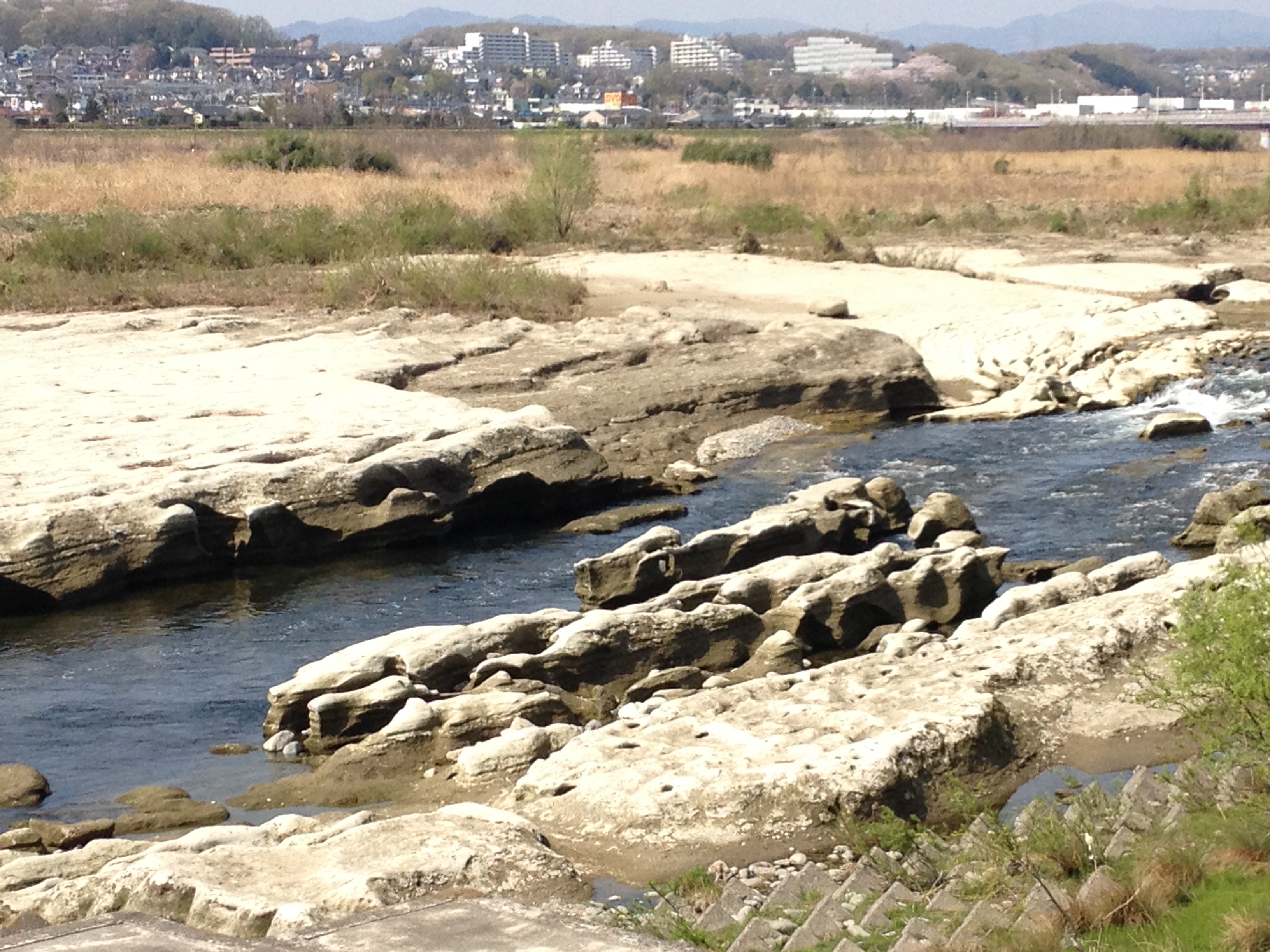
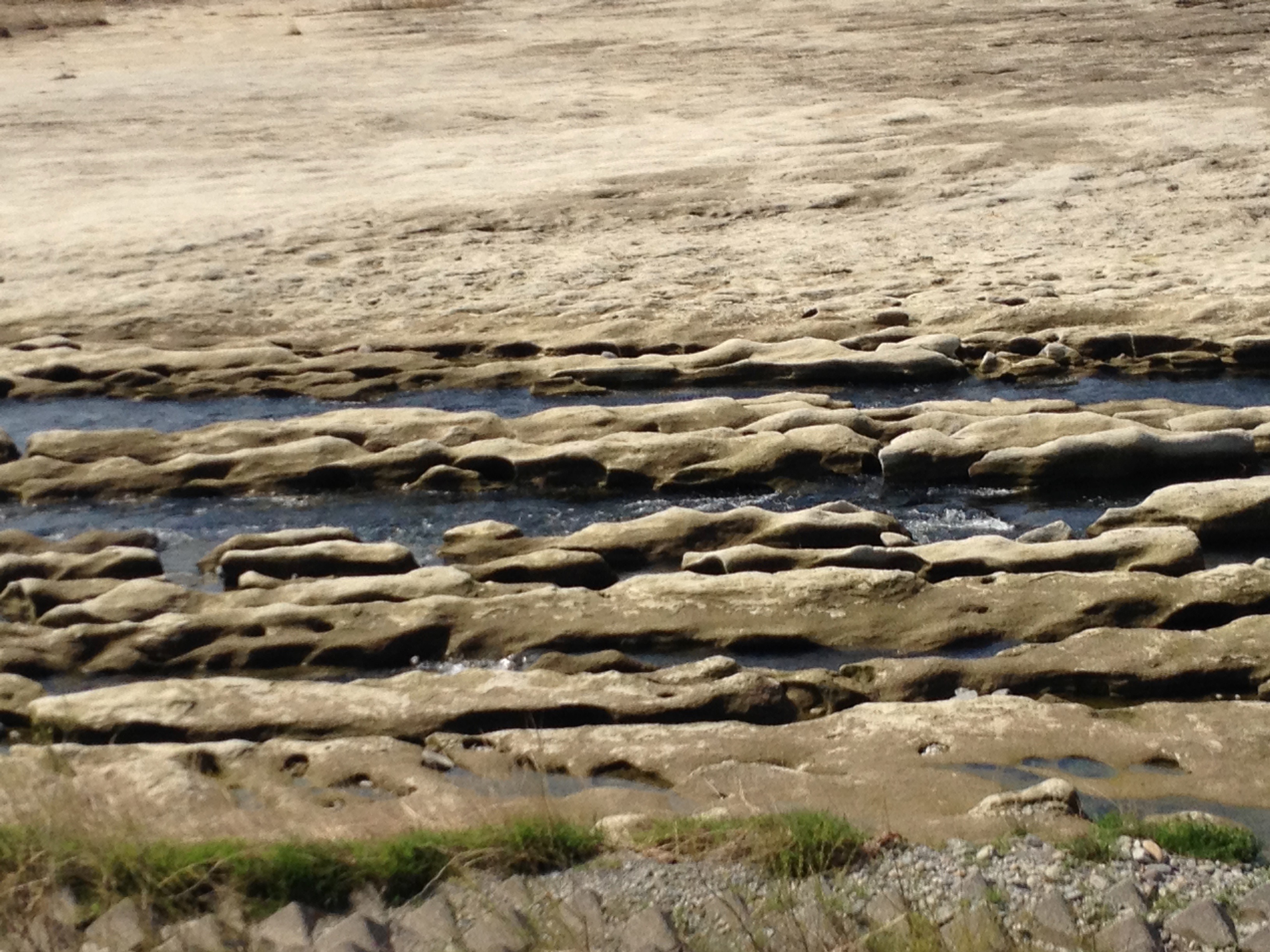
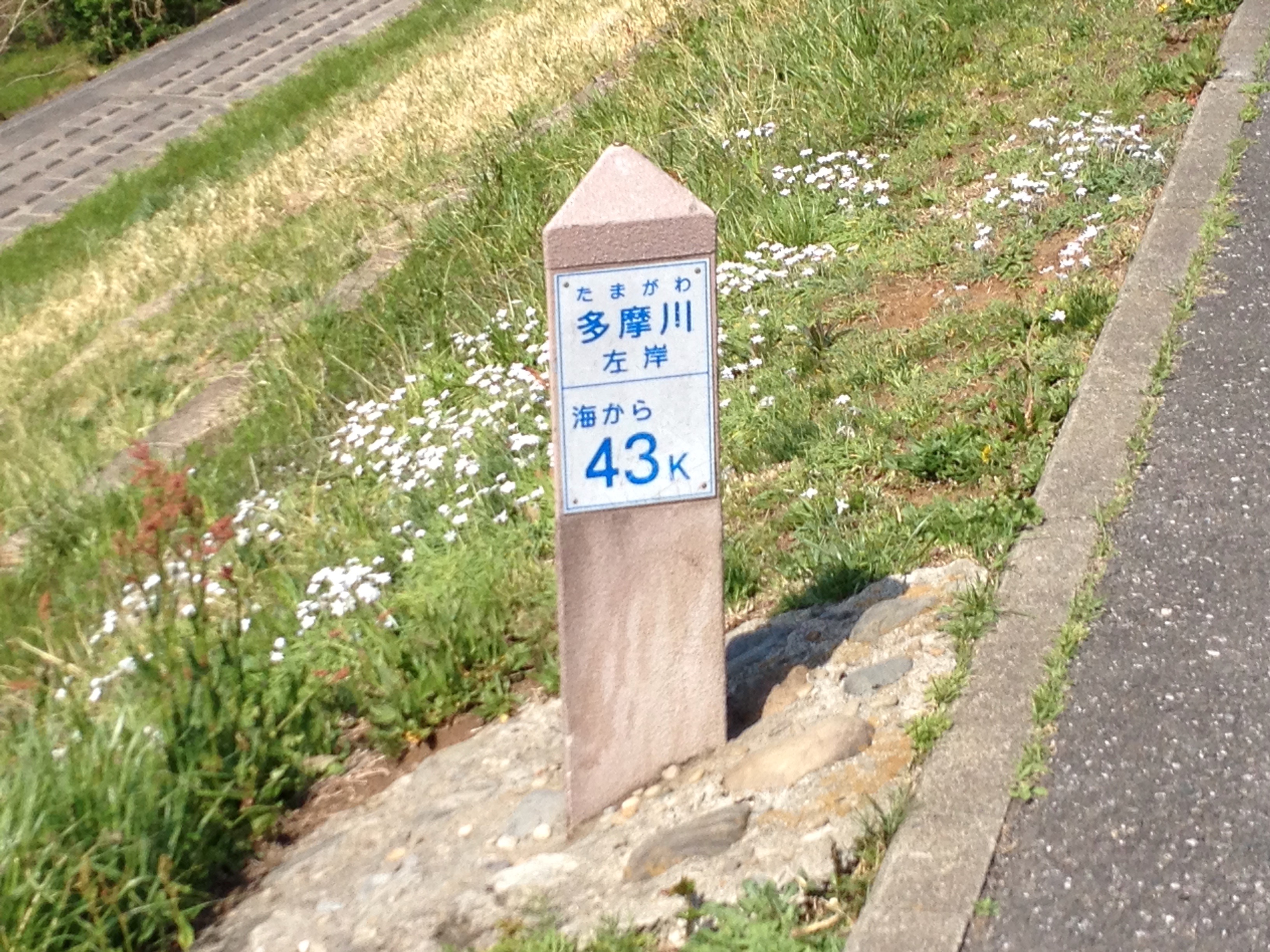
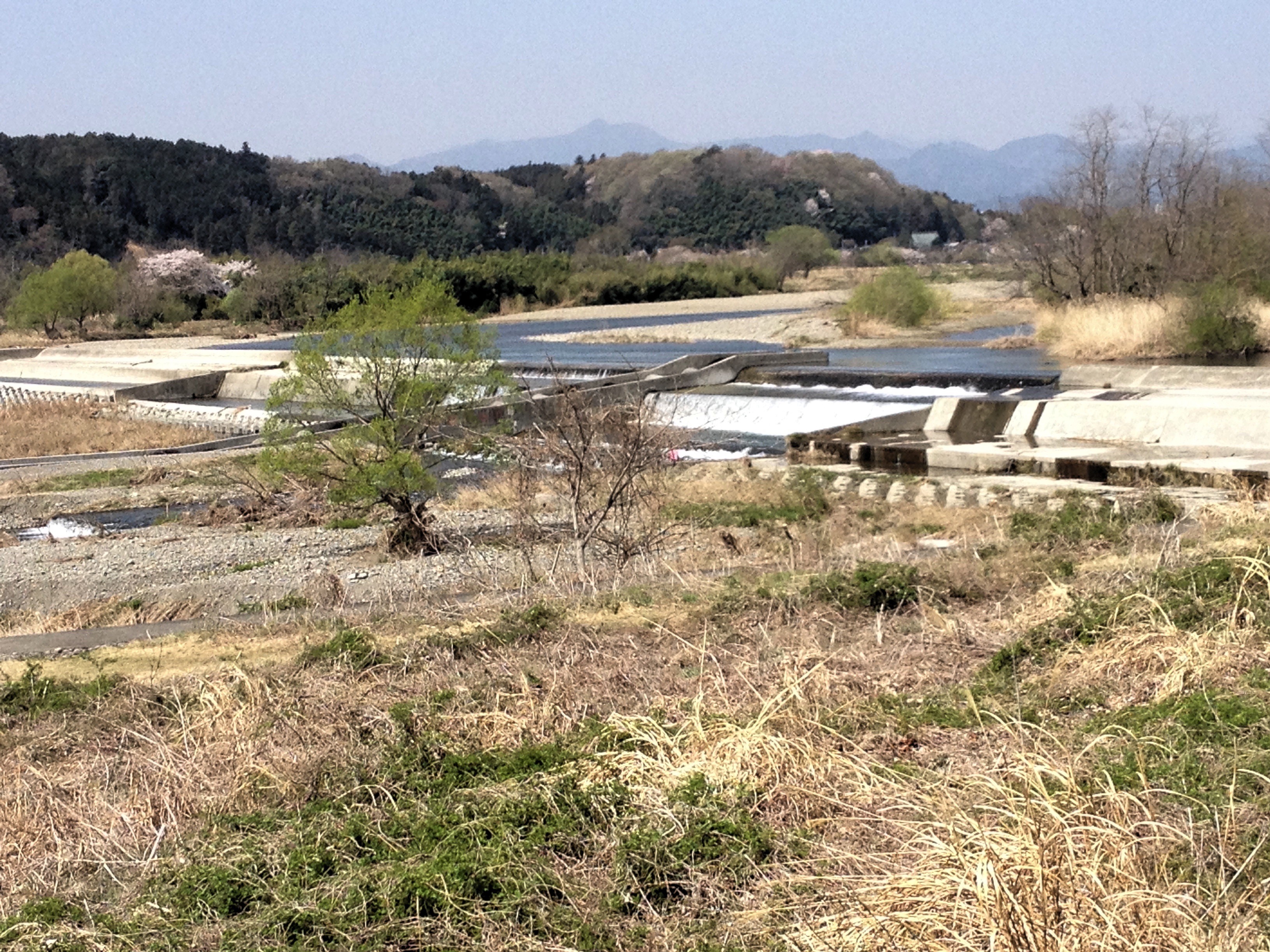
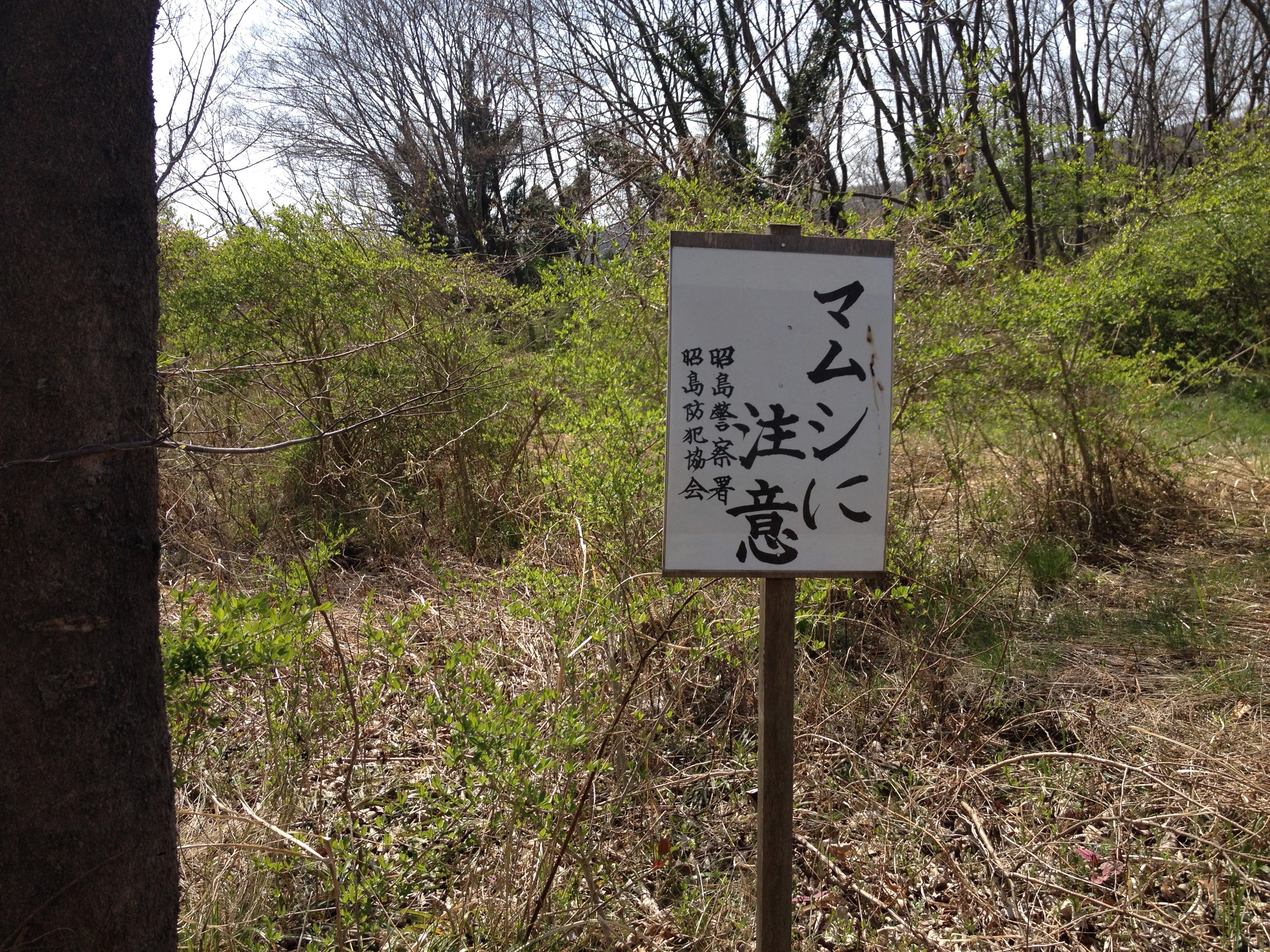
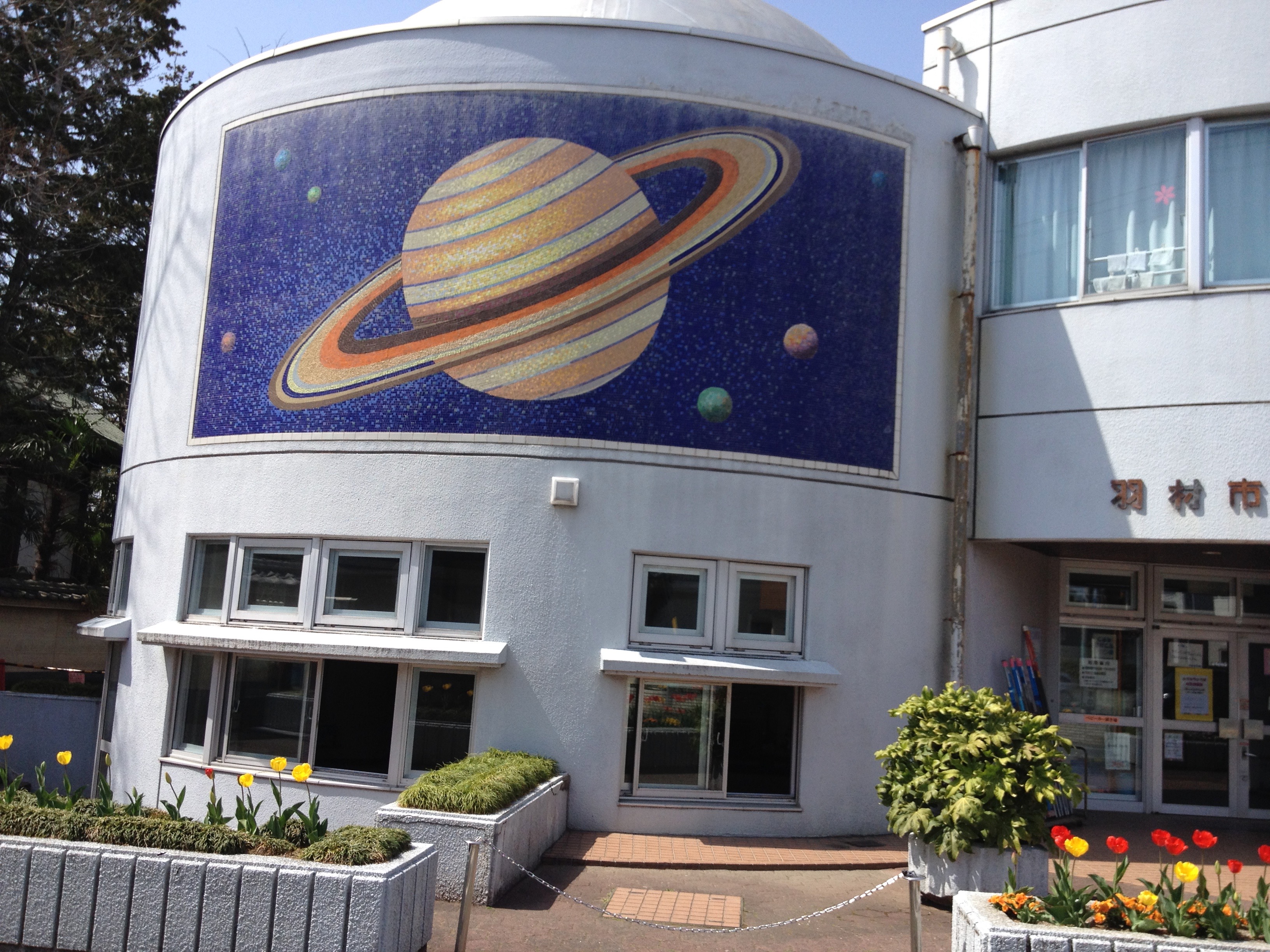
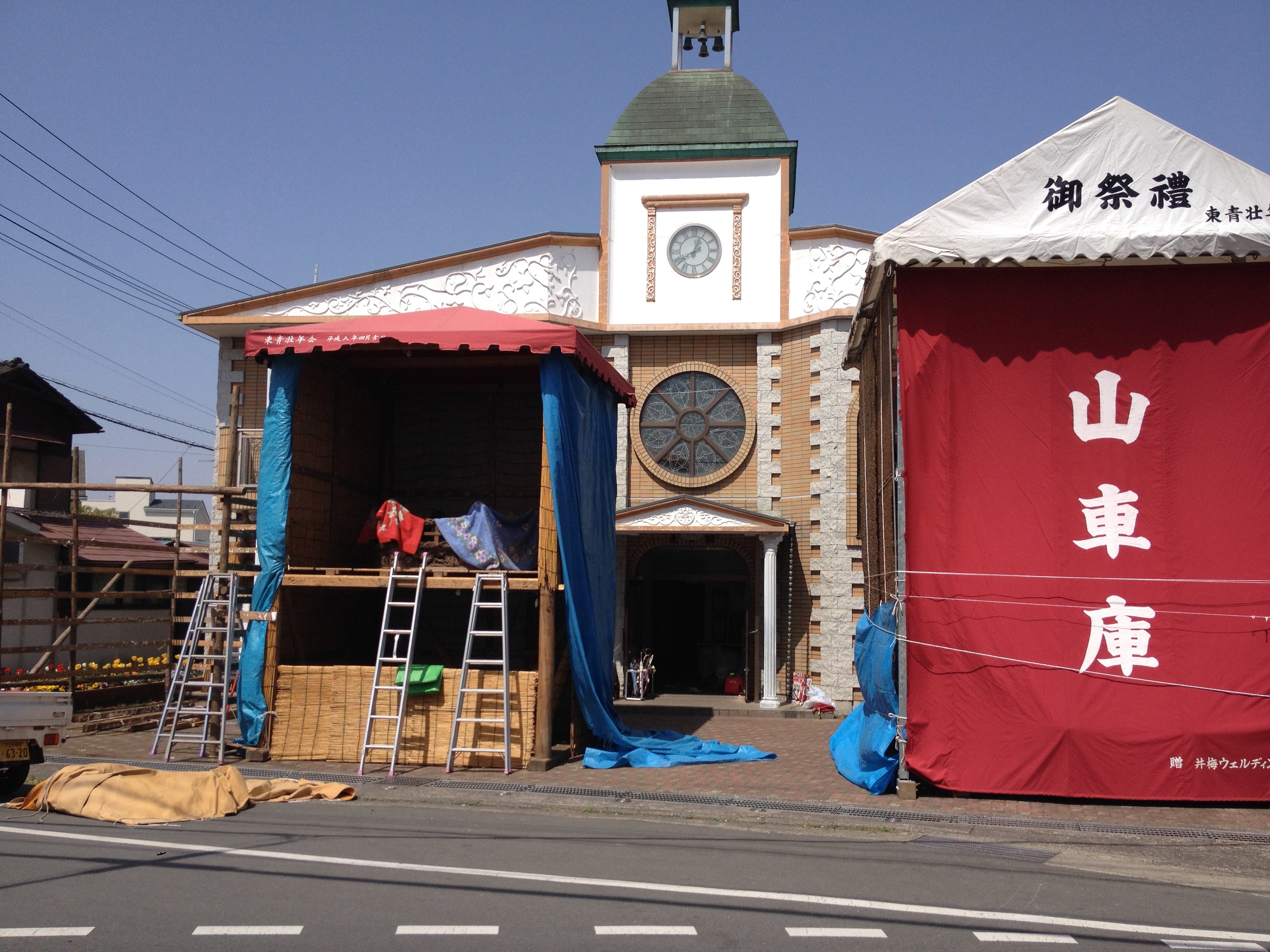
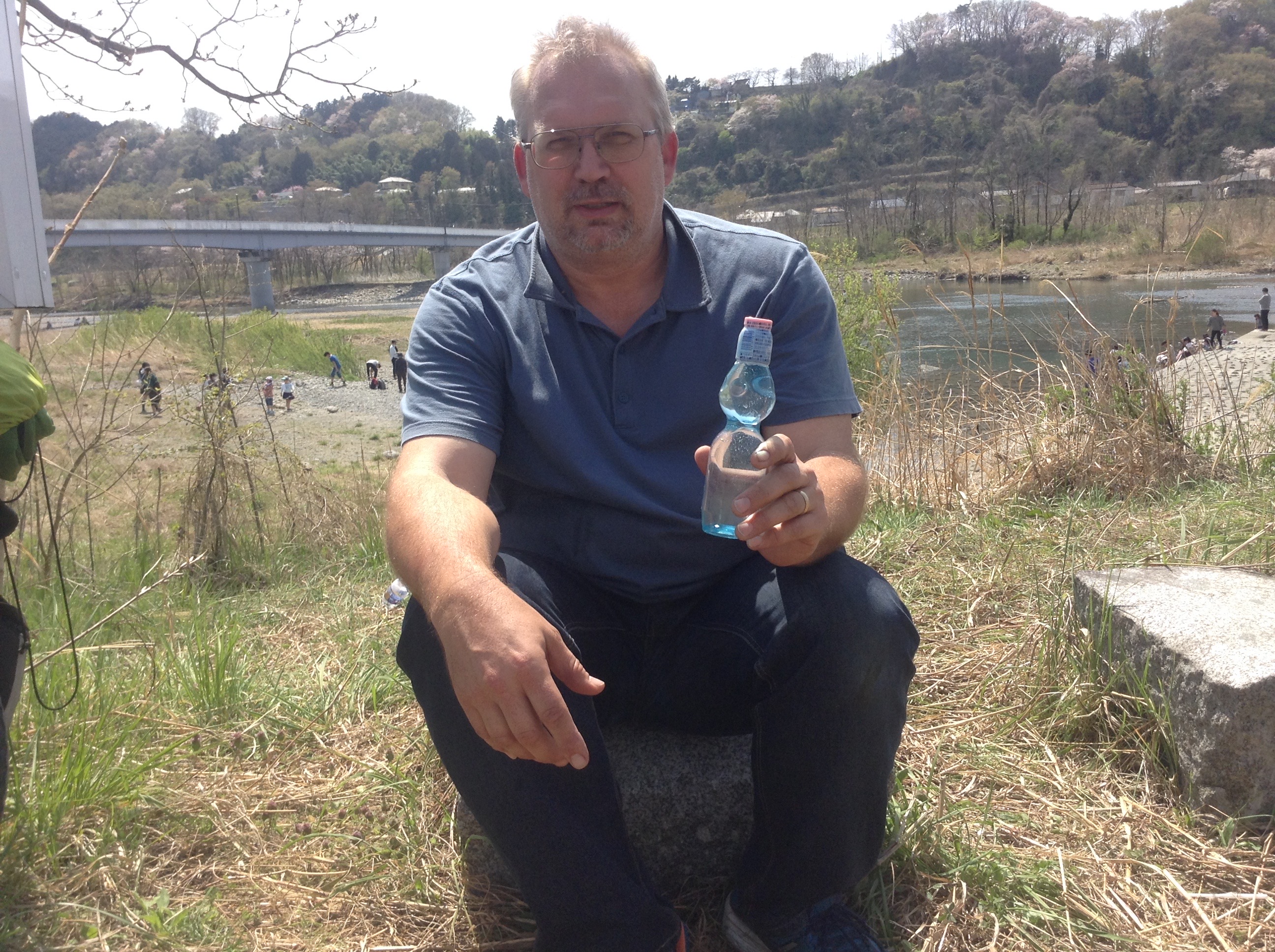
Podcast
Video
[yotuwp type=”videos” id=”HVFZ04Q0CF4″ ]
Home | Photo Gallery | Podcasts | Videos
]]>
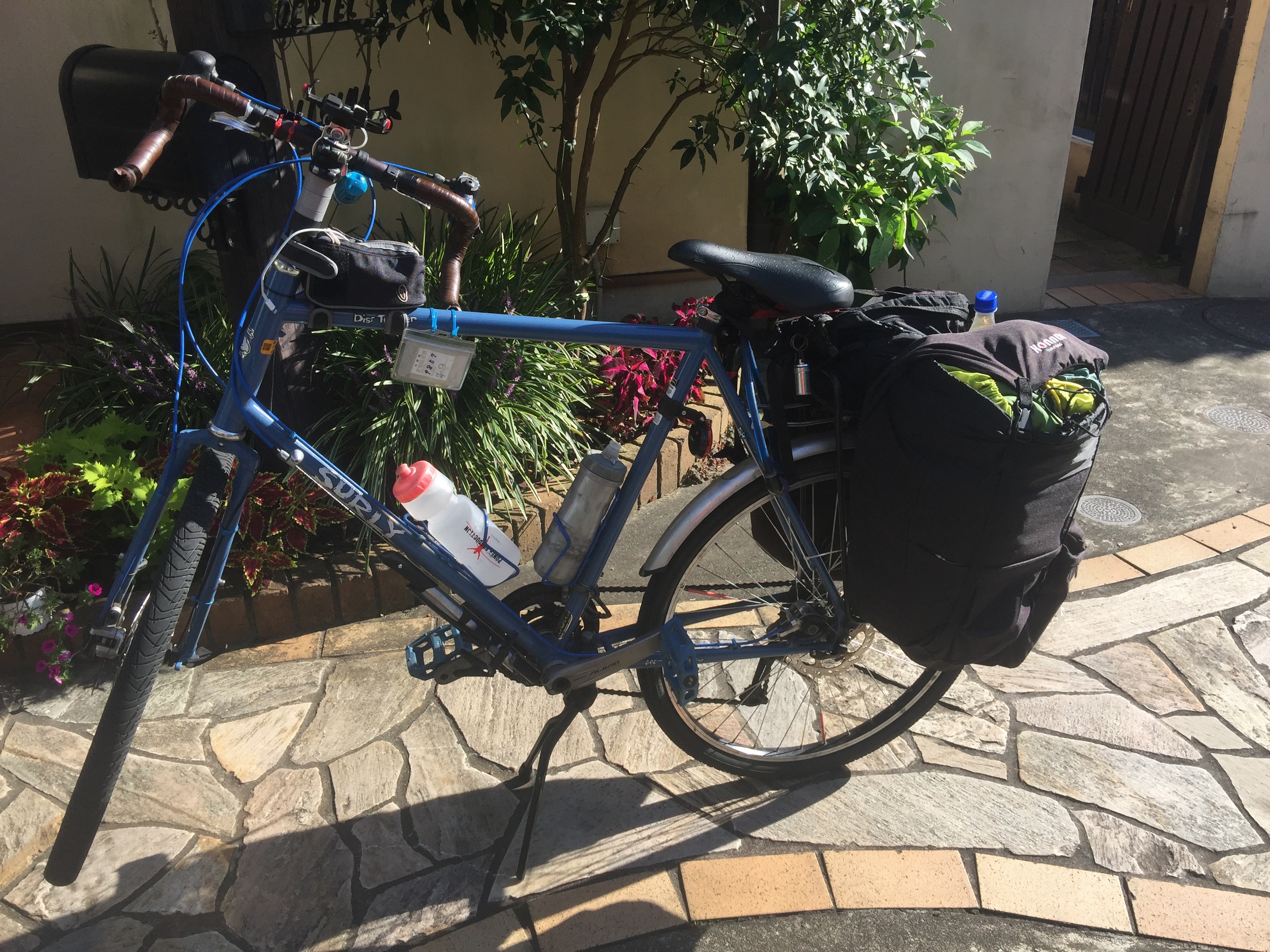
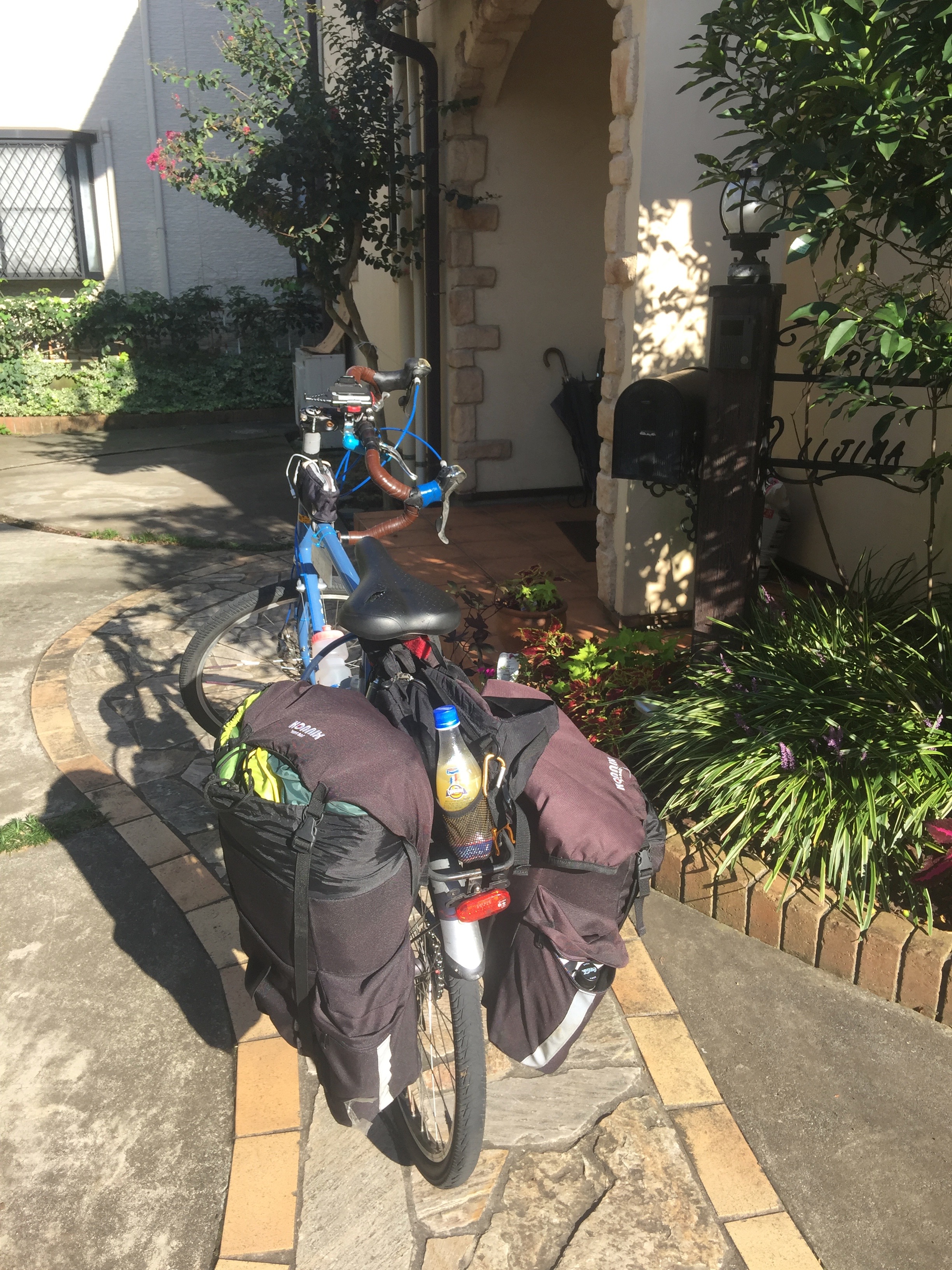
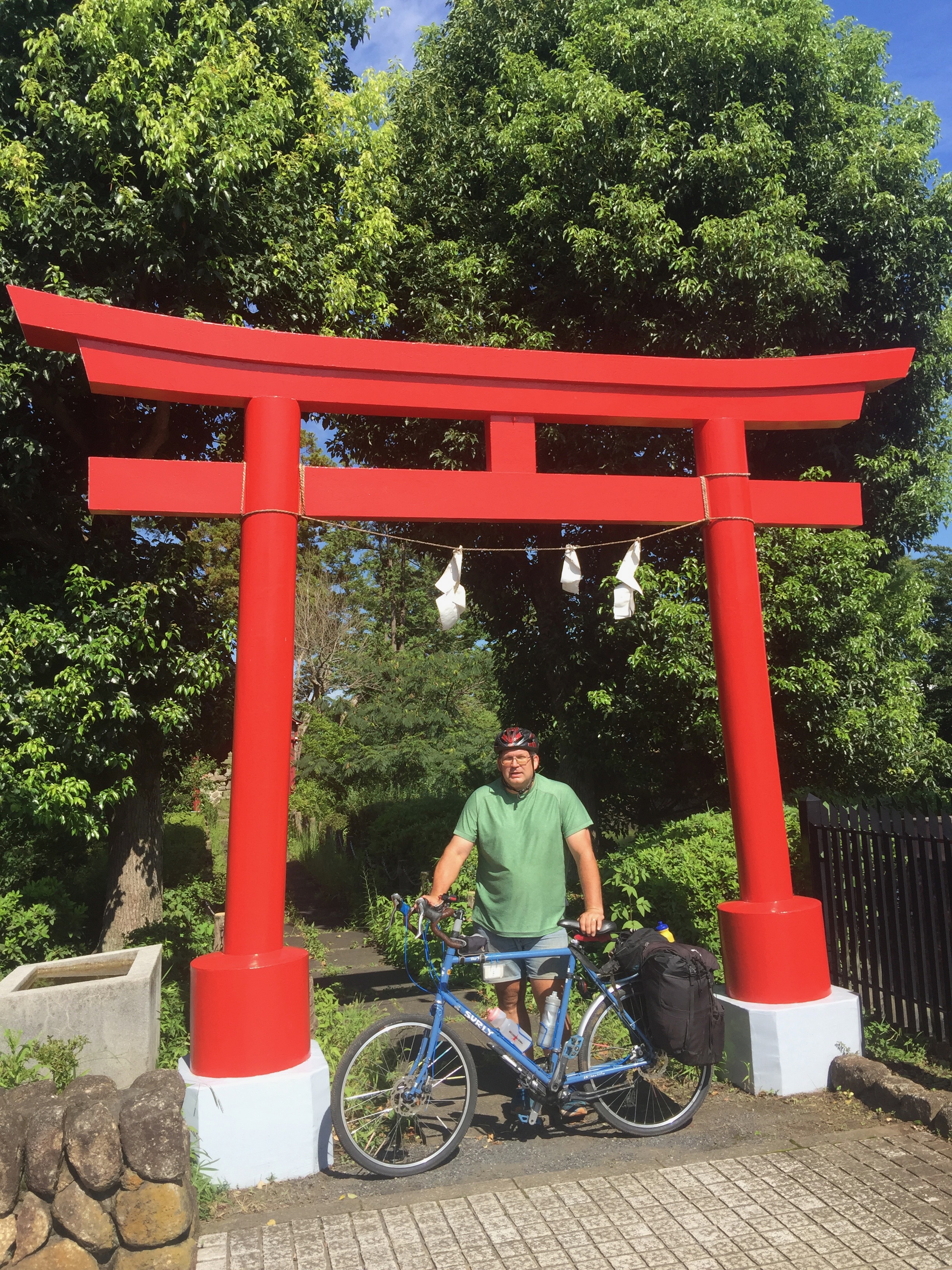
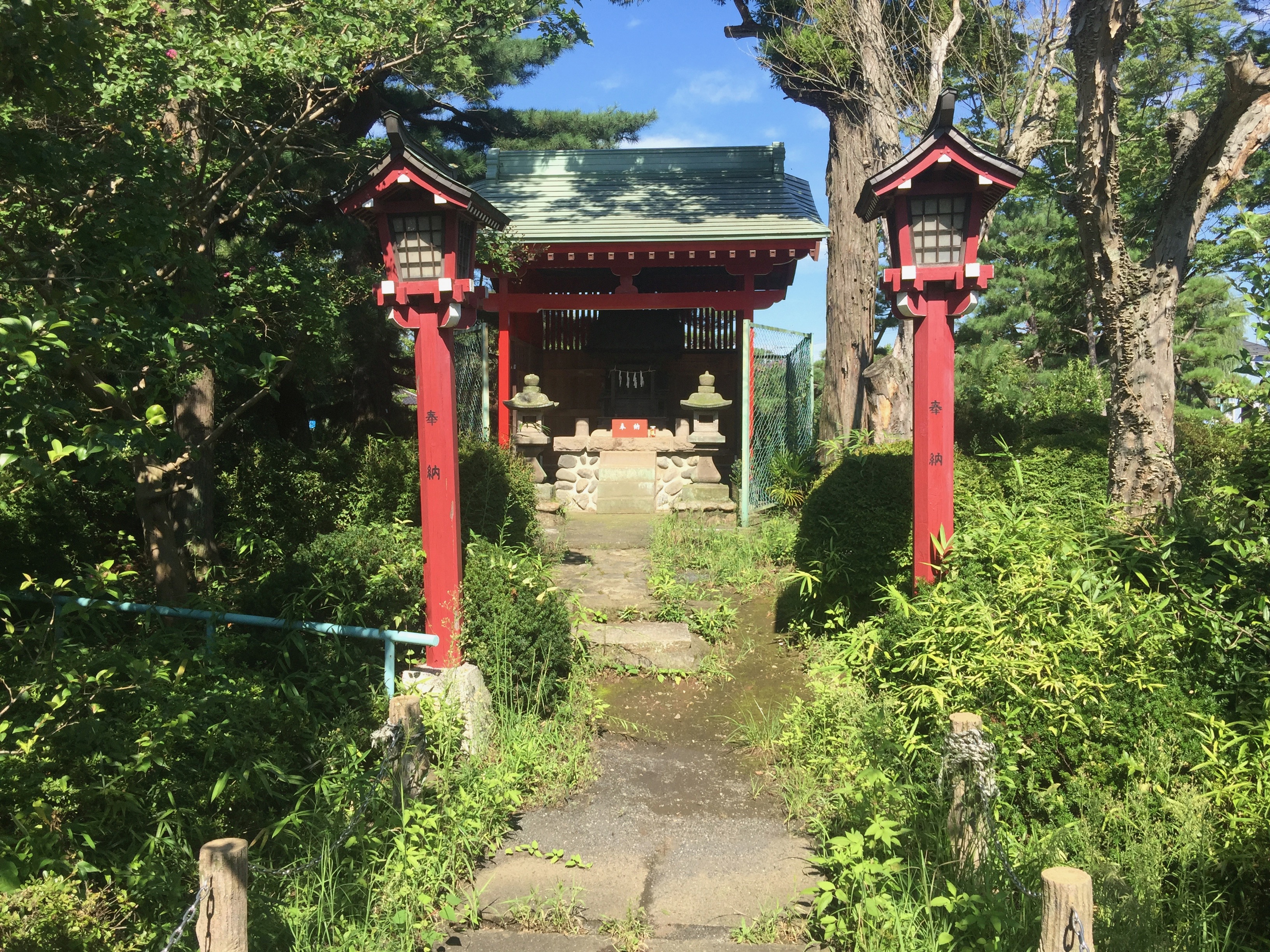
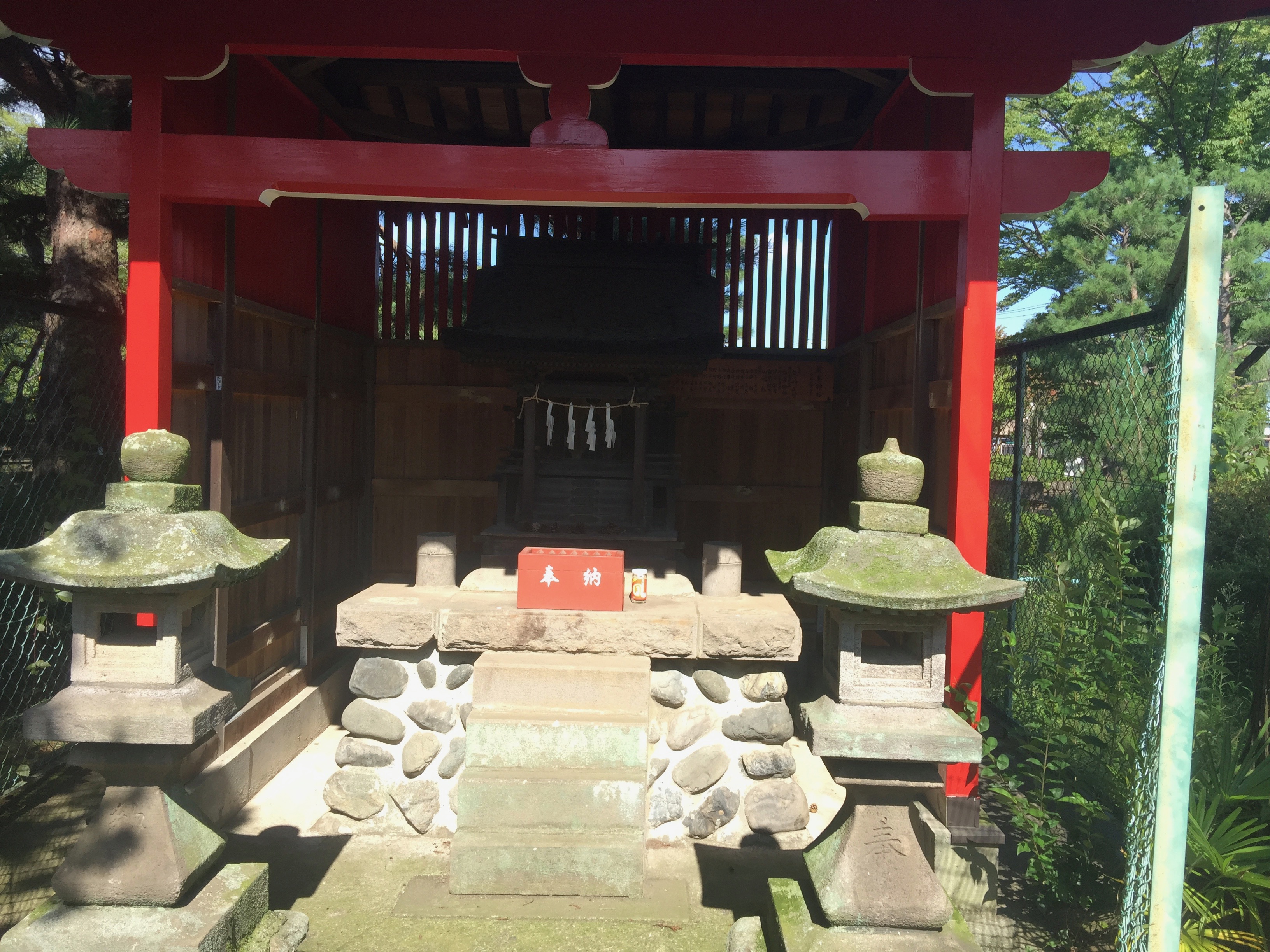
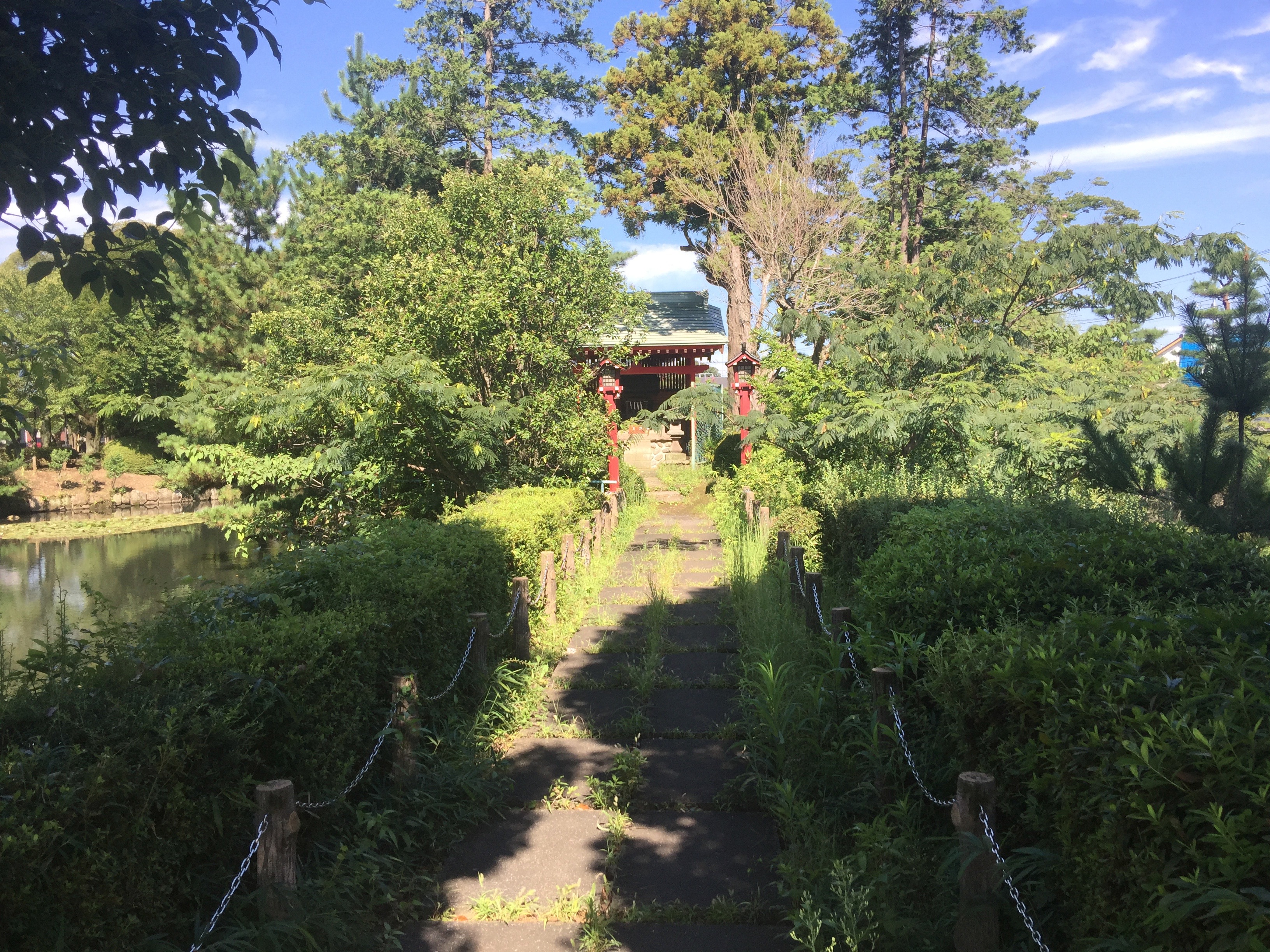
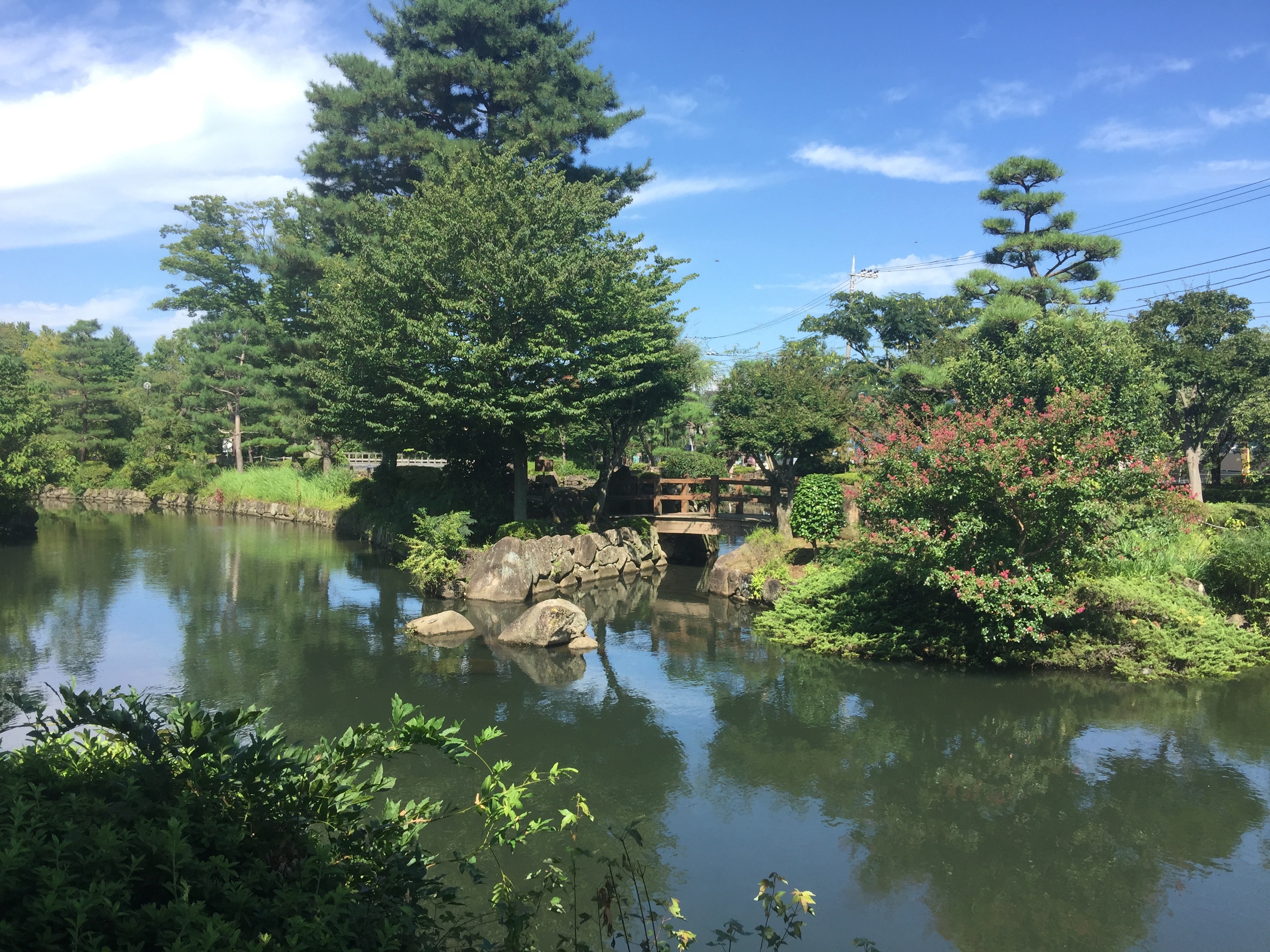
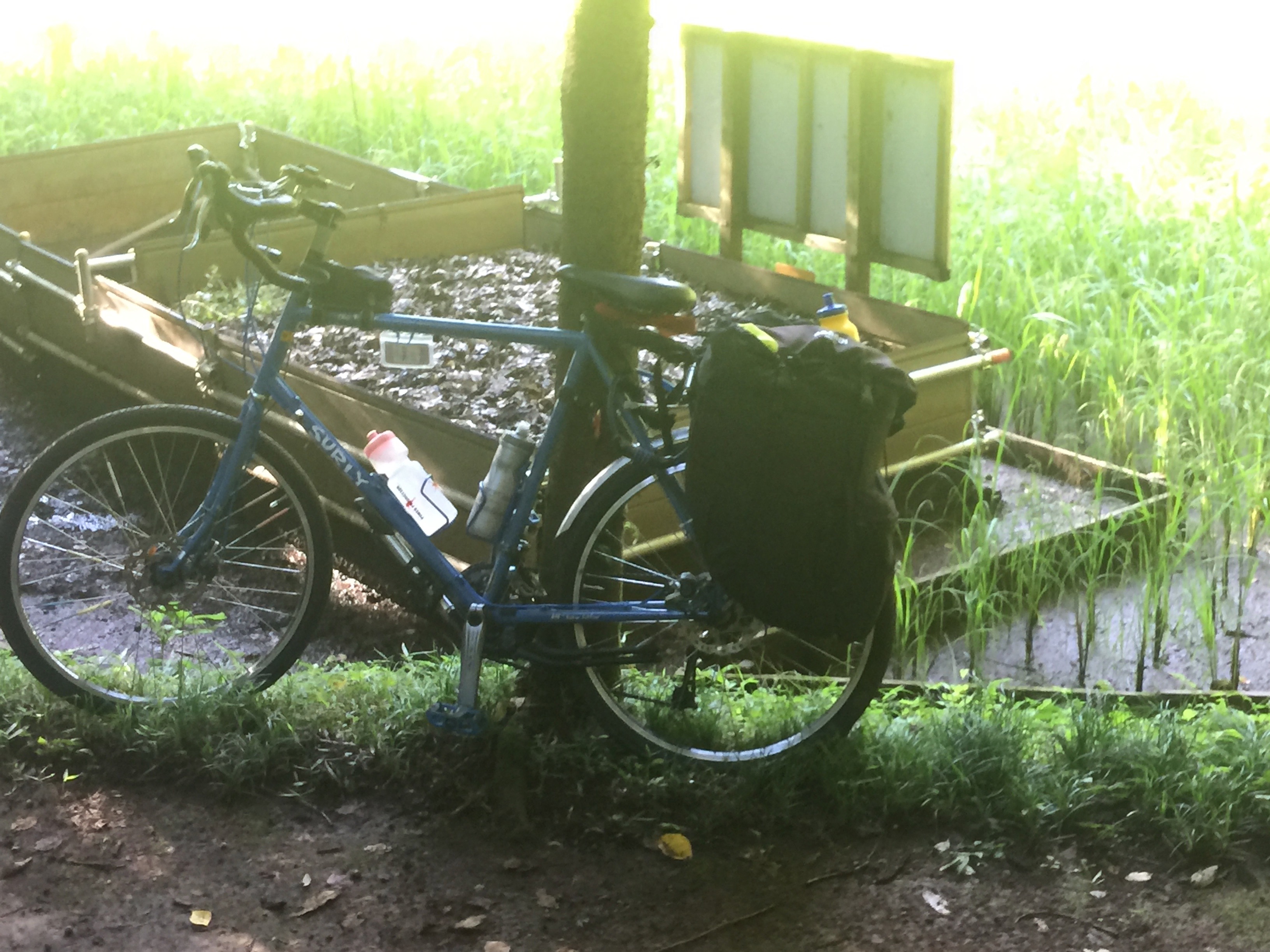
This was my second bicycle camping trip and, as such, I had some difficulties, particularly in finding a suitable campsite. There is a great cycling path that circles Lake Tamako and Lake Sayama. It is just 20 kilometers all together. It starts on Itsukaichi Kaido in Kichijoji and follows the Seibu Line most of the way for 10 kilometers to Sayama Park on the eastern end of Lake Tamako. It then takes a 10 kilometer loop around Lake Tamako and Lake Sayama. It goes past the Seibu Amusement Park, Seibu Lions Baseball Dome and numerous parks and shrines. Lake Tamako and Lake Sayama are manmade lakes which are used as reservoirs for the City of Tokyo. The public water works are very protective of the cleanliness of the lakes so no water sports such as swimming and boating are allowed in the lakes. The lakes are nestled in the Sayama Hills so the path takes a winding, up and down route around the lakes. The hills provide a nice workout for sports cyclists and an achievable challenge for everyone else. The loop around the lakes is almost entirely in the shade so it is even pleasant to ride it in the hot days of summer.
Photo Gallery
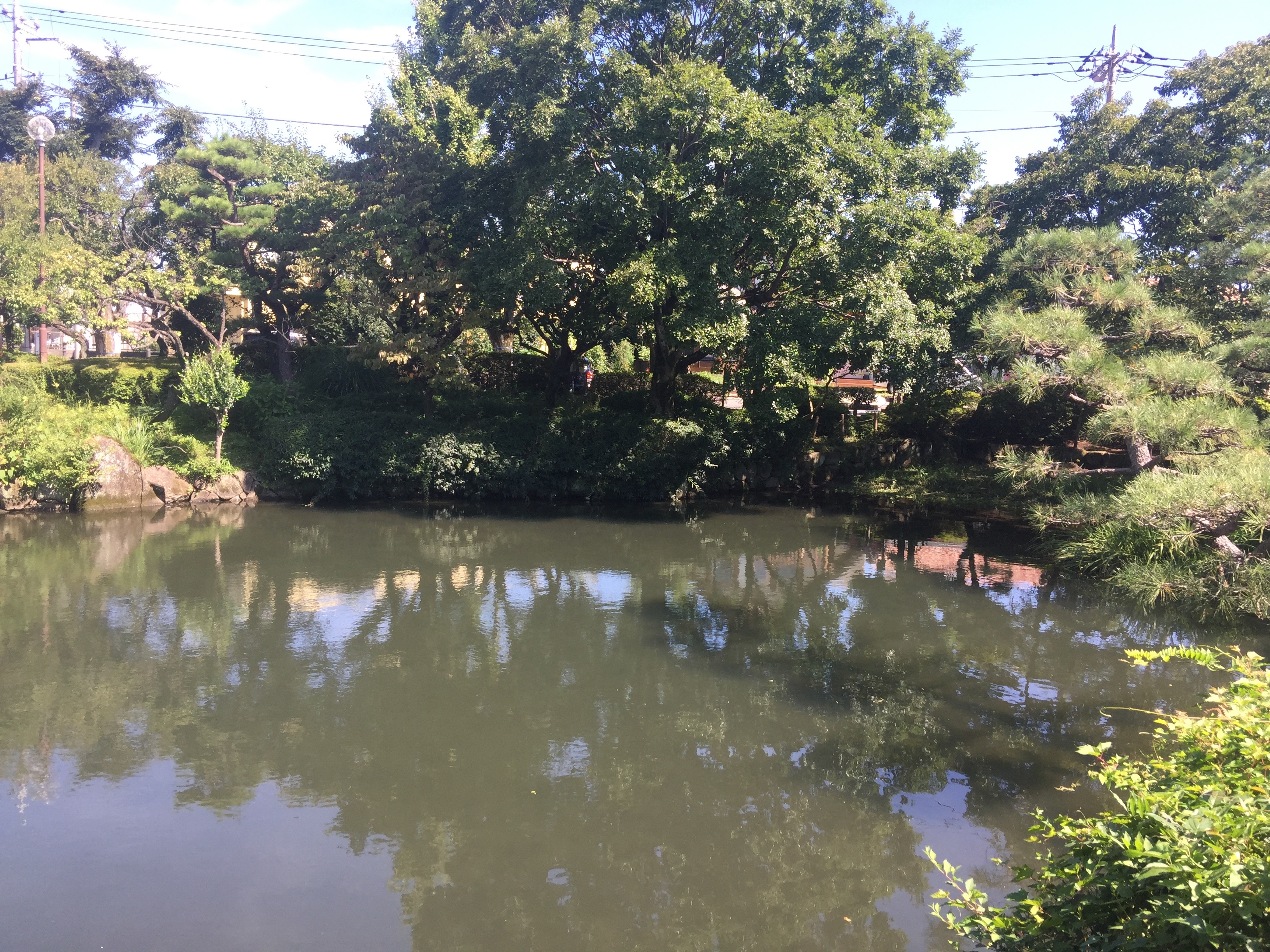
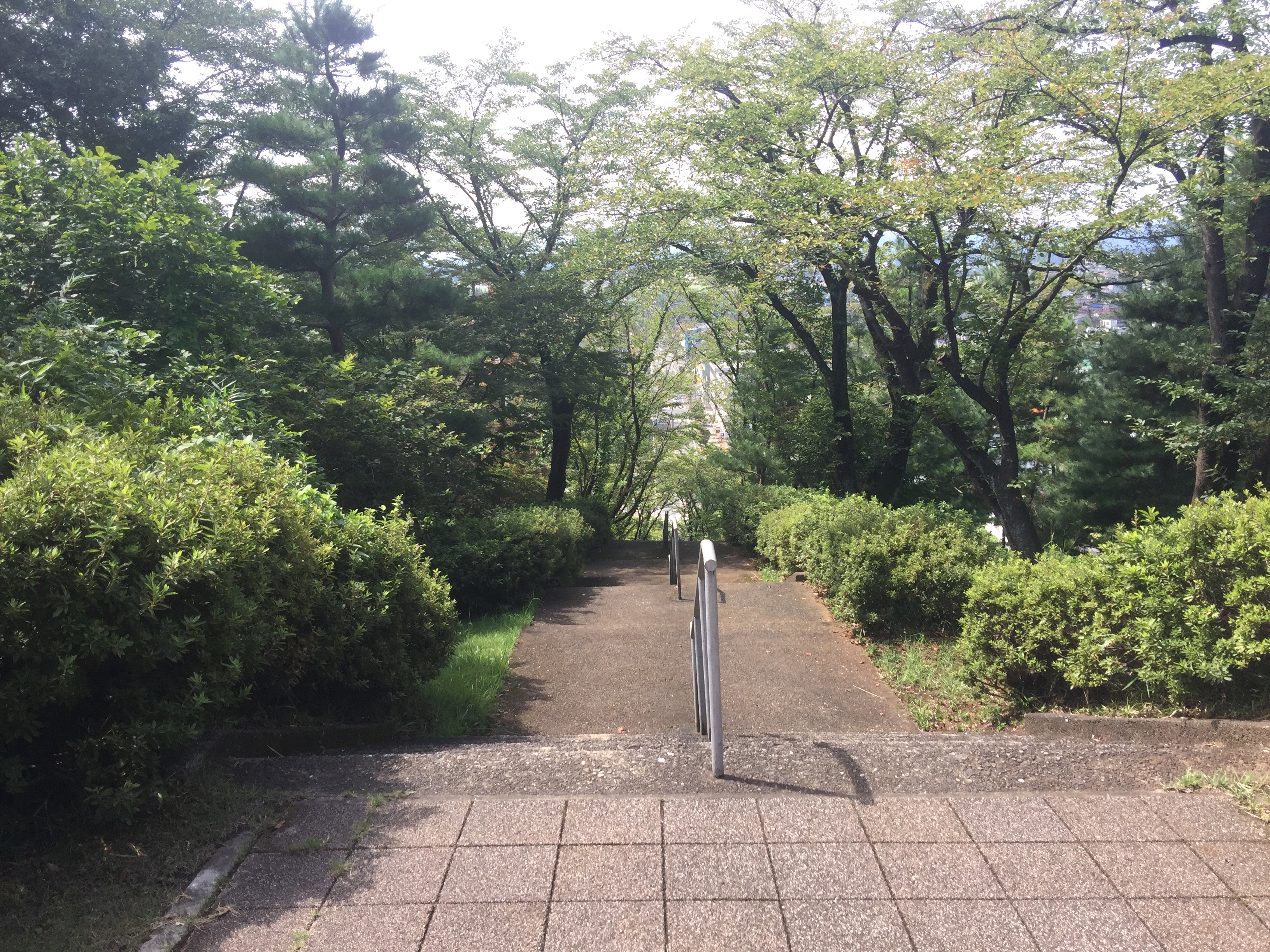
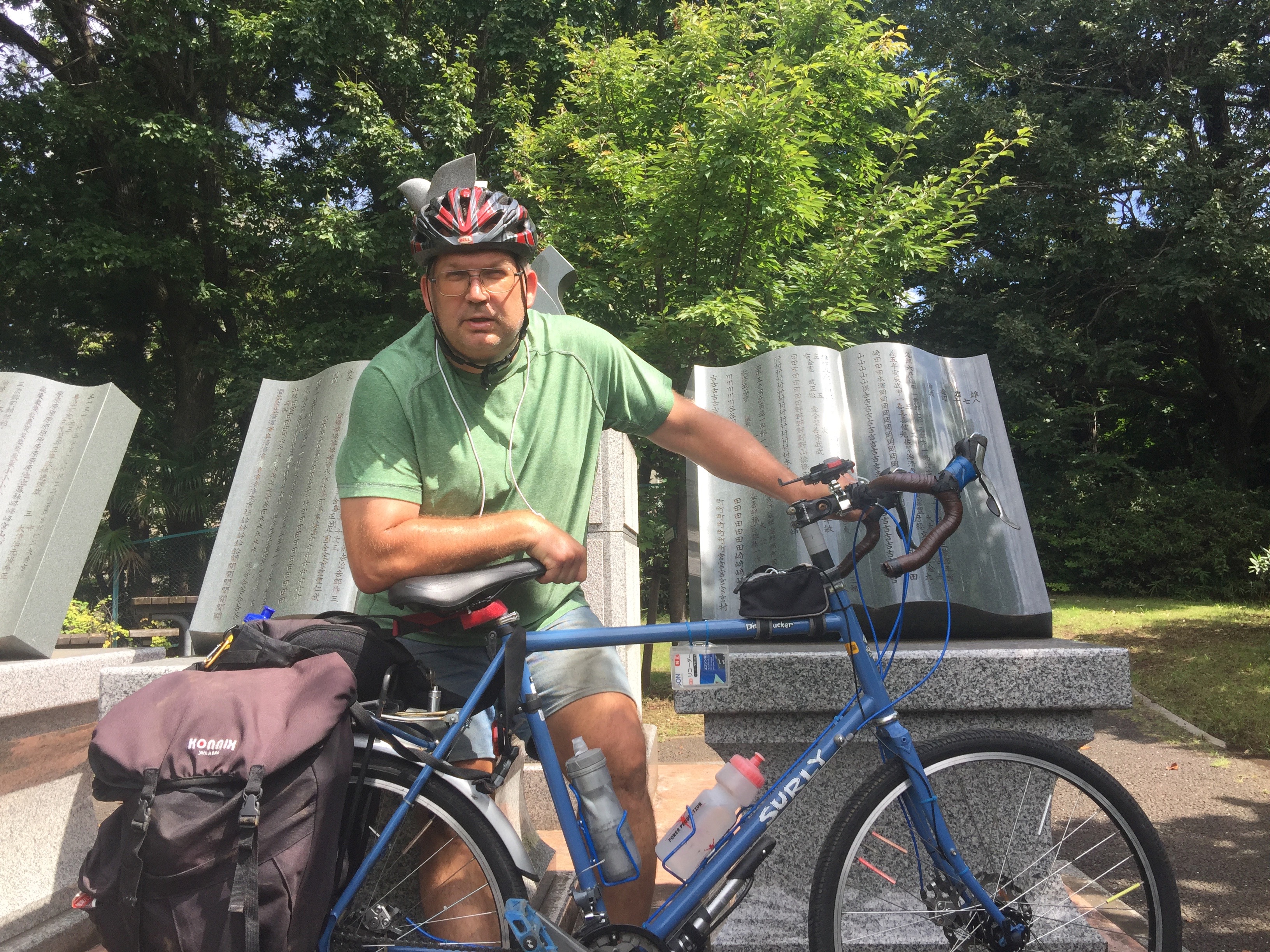
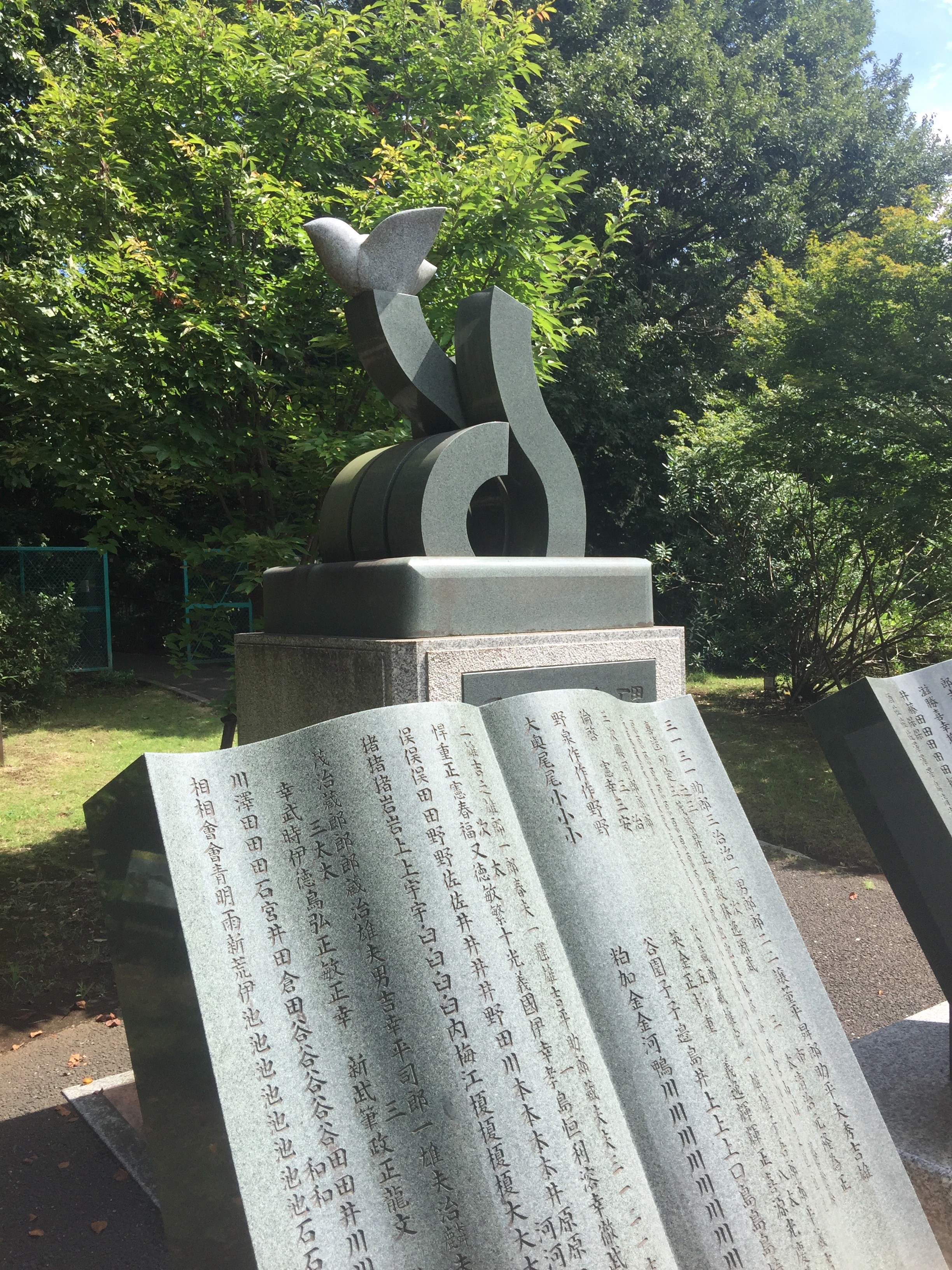
Video
[yotuwp type=”videos” id=”sqQZ0lE3BHw” ]
Home | Photo Gallery | Podcasts | Videos
]]>