September 23-24, 2017

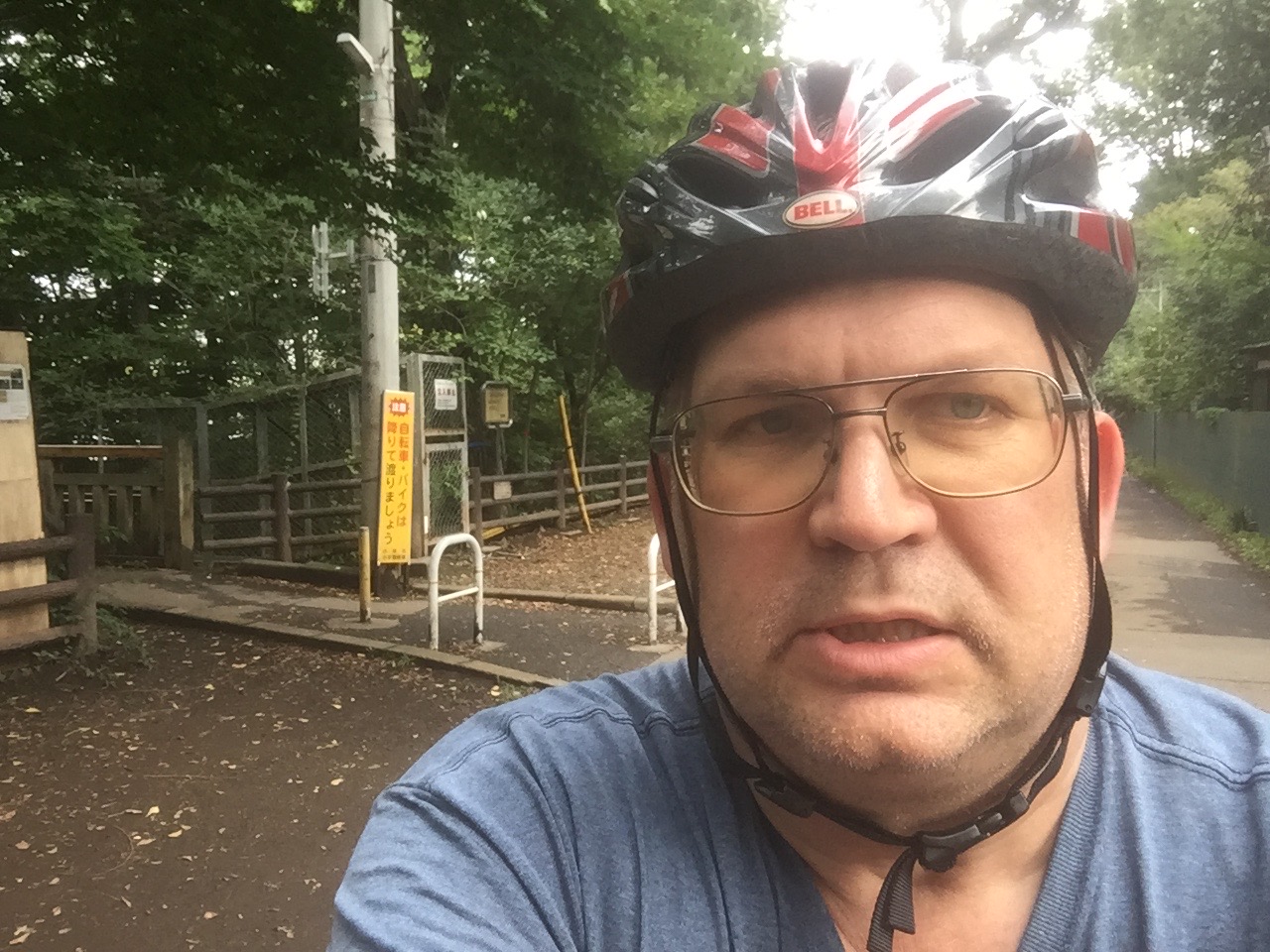
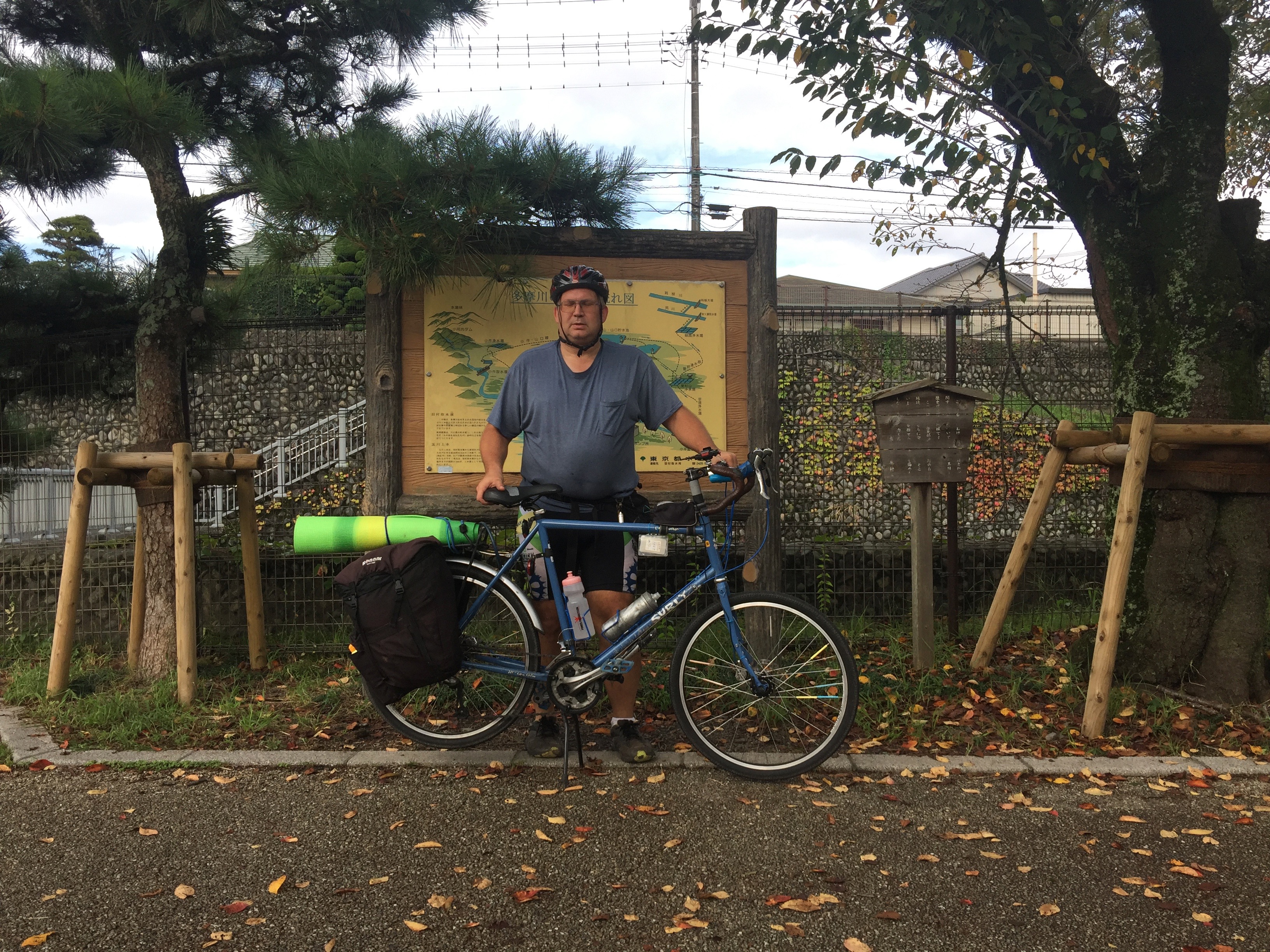
Riding along Tamagawa Josui is my number one favorite place to ride a bicycle in the Tokyo area. It is a nearly flat route along a quiet, tree lined street for most of the way. You can see cherry blossoms in the spring, pick mulberries in the early summer and enjoy fall colors in the fall. If you are lucky you might spot a snake or a small lizard. There are plenty of birds and the cicadas make quite a cacophony in the summer. The ratio of bicycle riders to automobiles is so tilted towards bicycles that some places Riding along Tamagawa Josui is my number one favorite place to ride a bicycle in the Tokyo area. It is a nearly flat route along a quiet, tree lined street for most of the way. You can see cherry blossoms in the spring, pick mulberries in the early summer and enjoy fall colors in the fall. If you are lucky you might spot a snake or a small lizard. There are plenty of birds and the cicadas make quite a cacophony in the summer. The ratio of bicycle riders to automobiles is so tilted towards bicycles that some places feel like a dedicated bike path. It is almost always a few degrees cooler in the shade of the trees. Hamura is the source of the historical Tamagawa Josui canal.
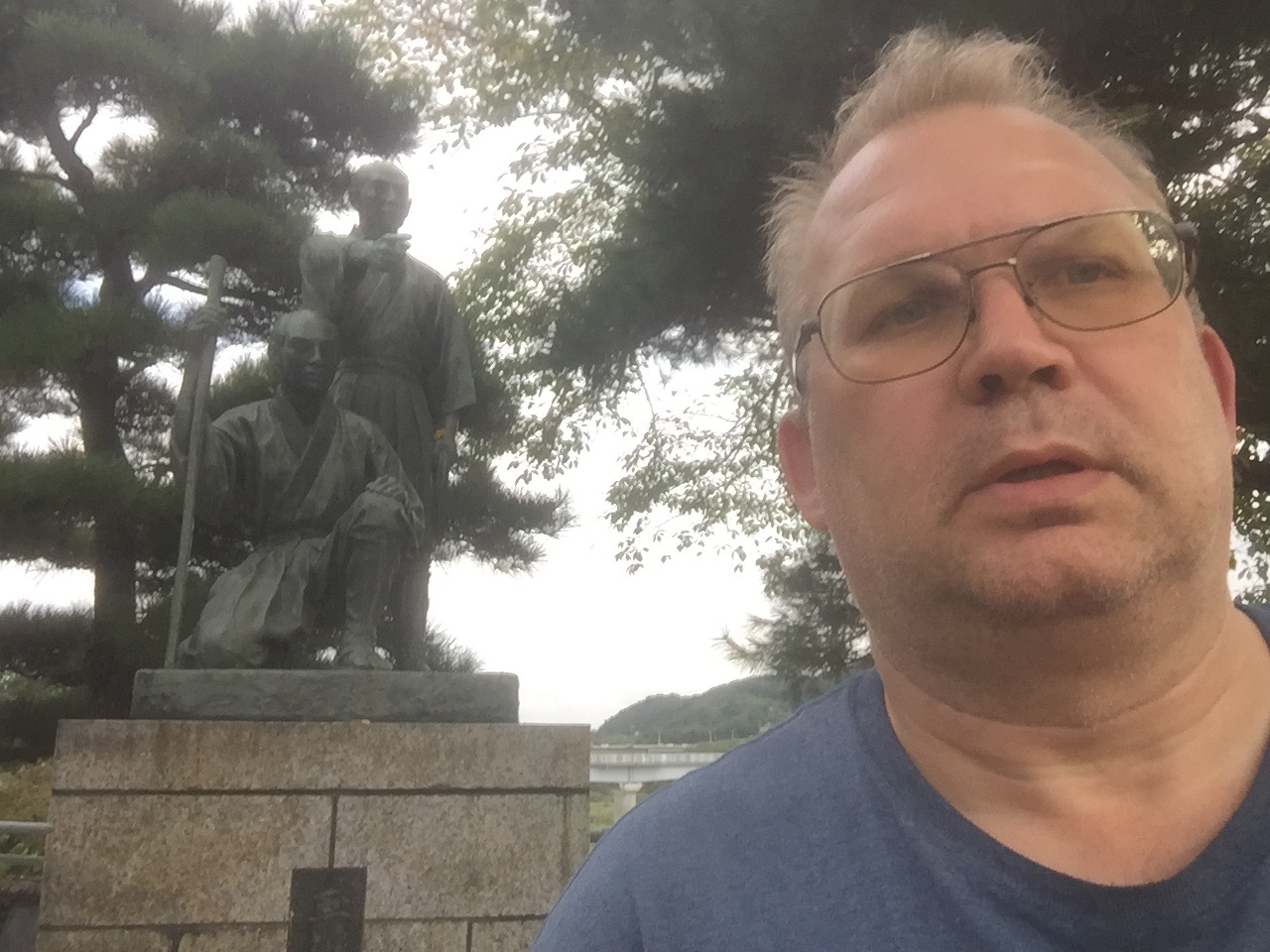
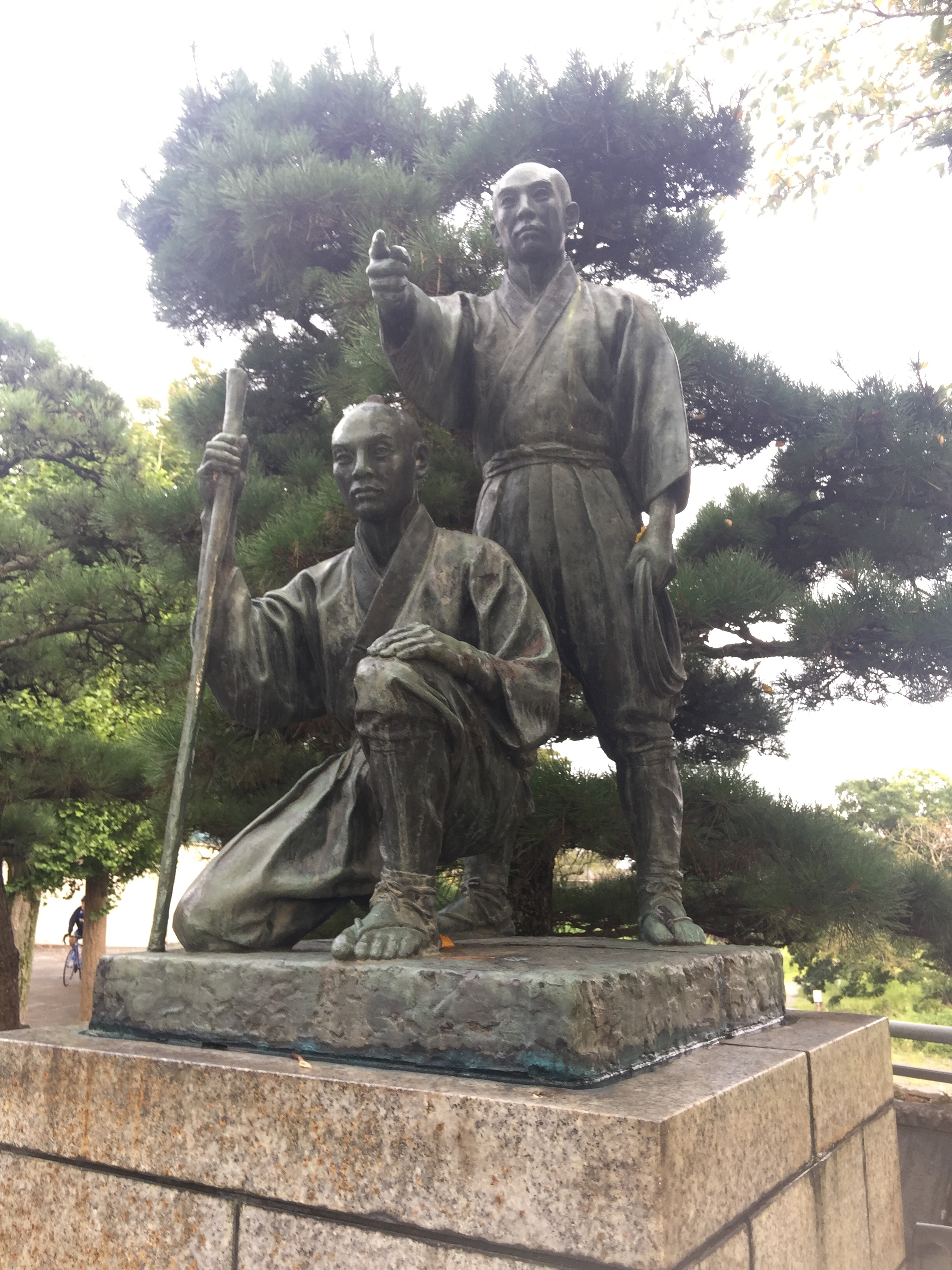
Tamagawa Josui is actually not named after the Tama River. It is named after the Tama brothers who dug the channel to bring drinking water to the burgeoning town of Edo in 1653. Along its course the towns and villages of Western Tokyo Prefecture sprung up. The canal brought drinking water and irrigation water to these settlements. At that time in Japanese history most people did not have surnames. It is said that the emperor was so grateful for the two brothers’ success in completing the canal that he granted them the surname Tama.
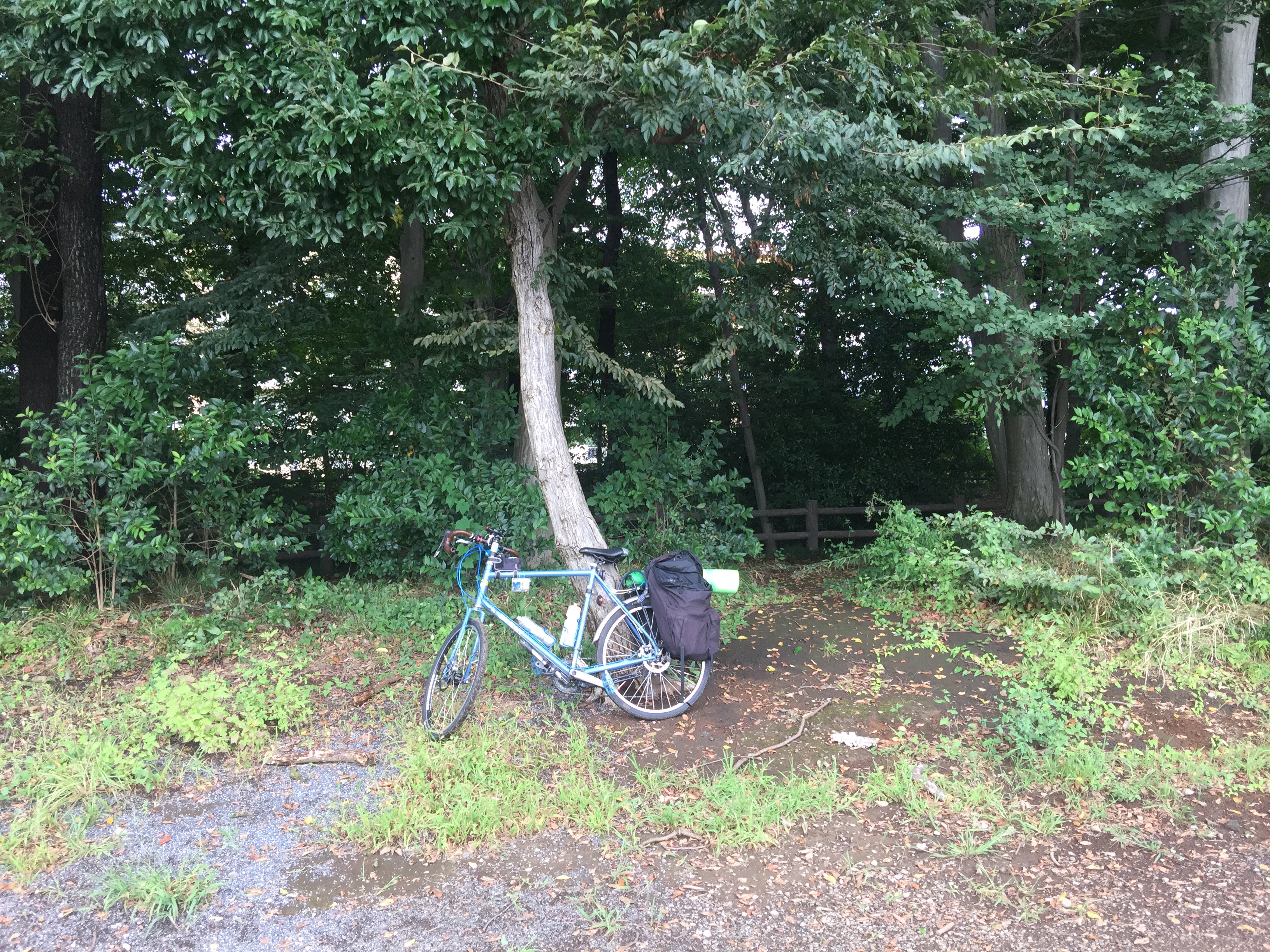
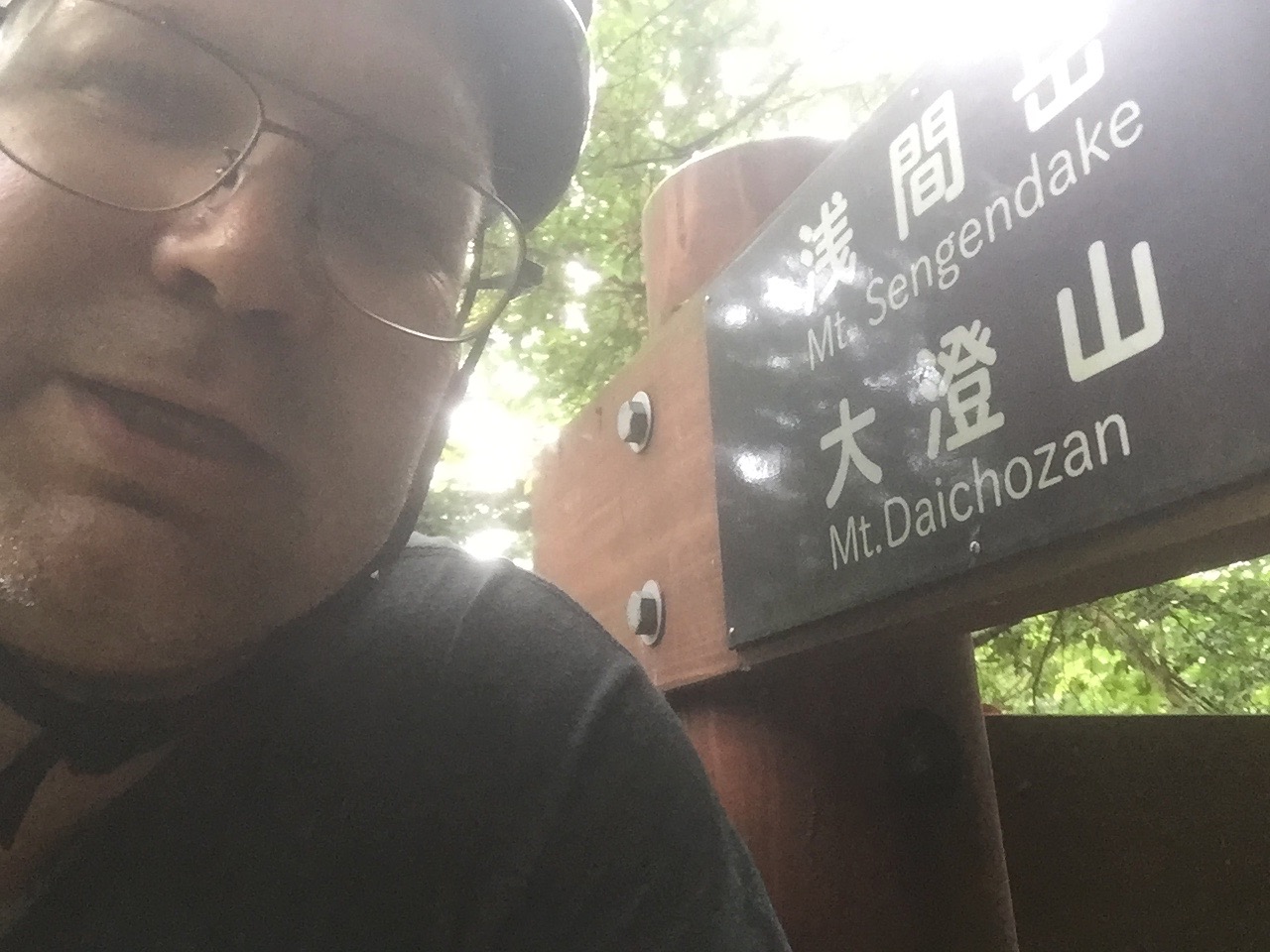
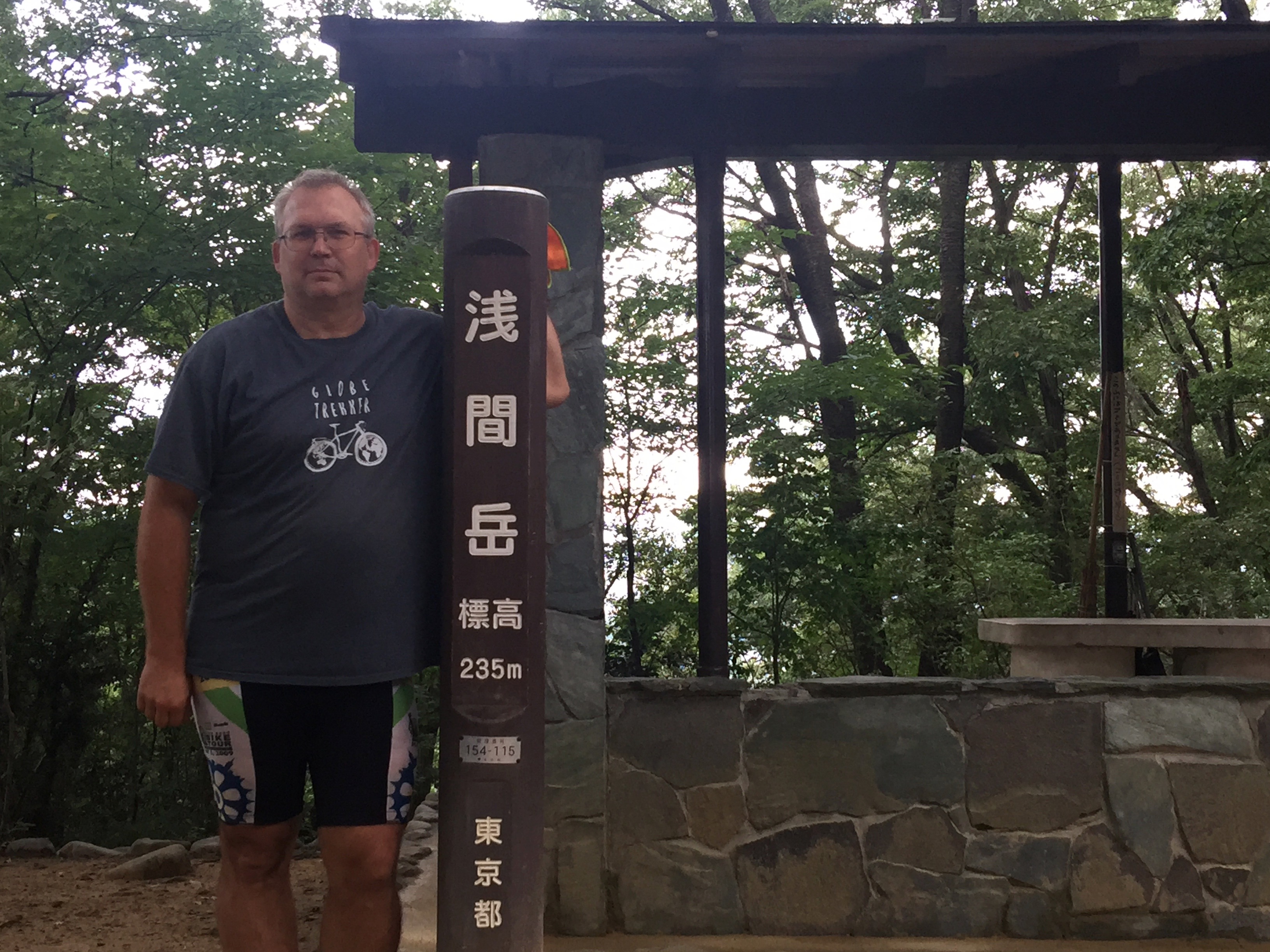
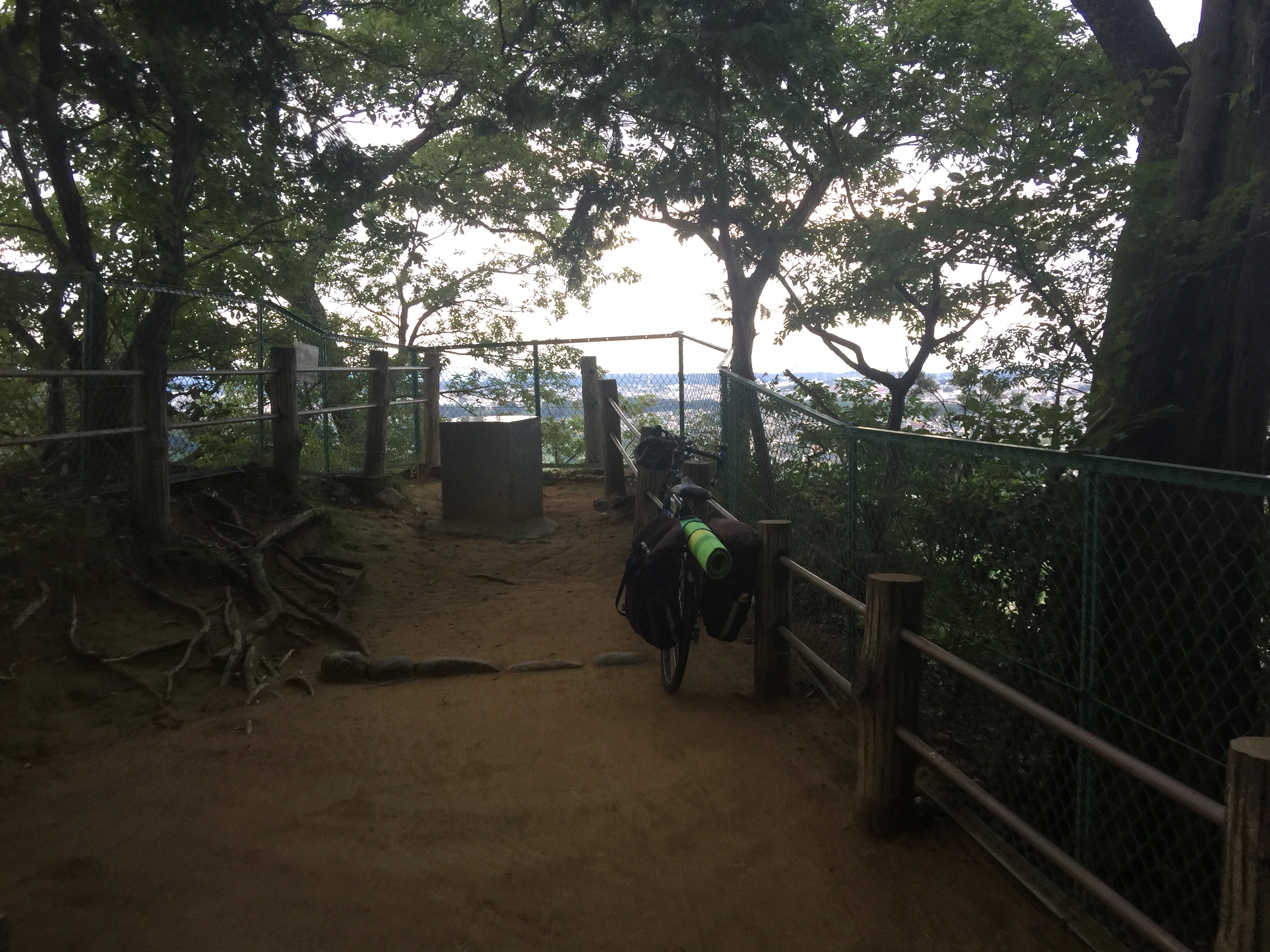
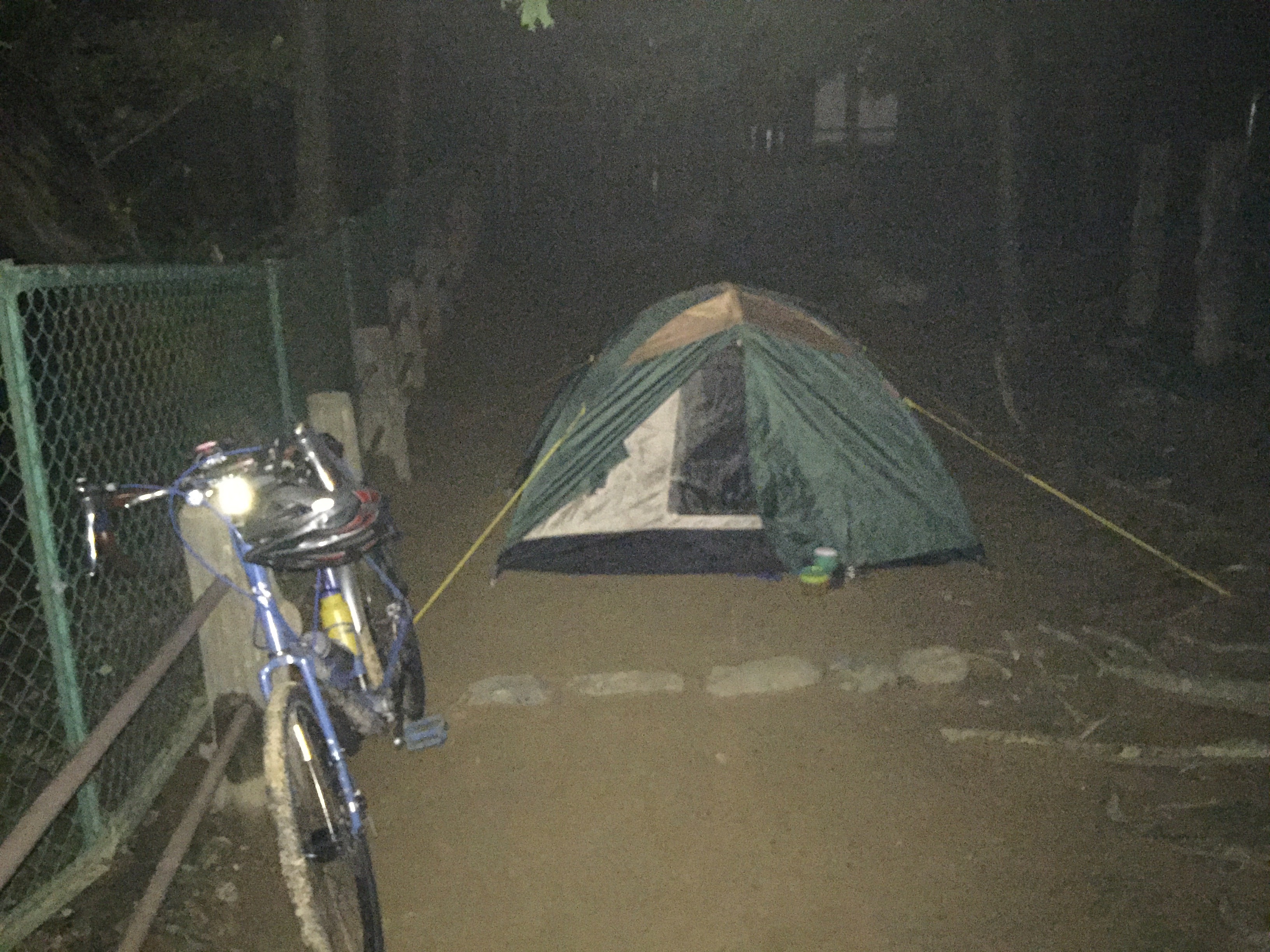
I spent the night on the temple grounds atop Sengendake. The summit of Sengendake is 235 meters above sea level. I had to push the Surly Blue Beast up the dirt trail to the top. I’m not sure why I thought it was a good idea to make camp at the top. Near the top it was so steep and the trail so slick with mud I nearly didn’t make it to the top. I finished setting up after dark and made my dinner. I thought this location was so out of the way that no one would bother me. No one did bother me but I didn’t go unnoticed. Elderly Japanese folks get up surprisingly early in the morning to take walks. I think I heard someone ringing the shrine bell at around 5:30 or 6:00. To get to the top of Sengendake they have to wake up VERY early in the morning.

Hamura
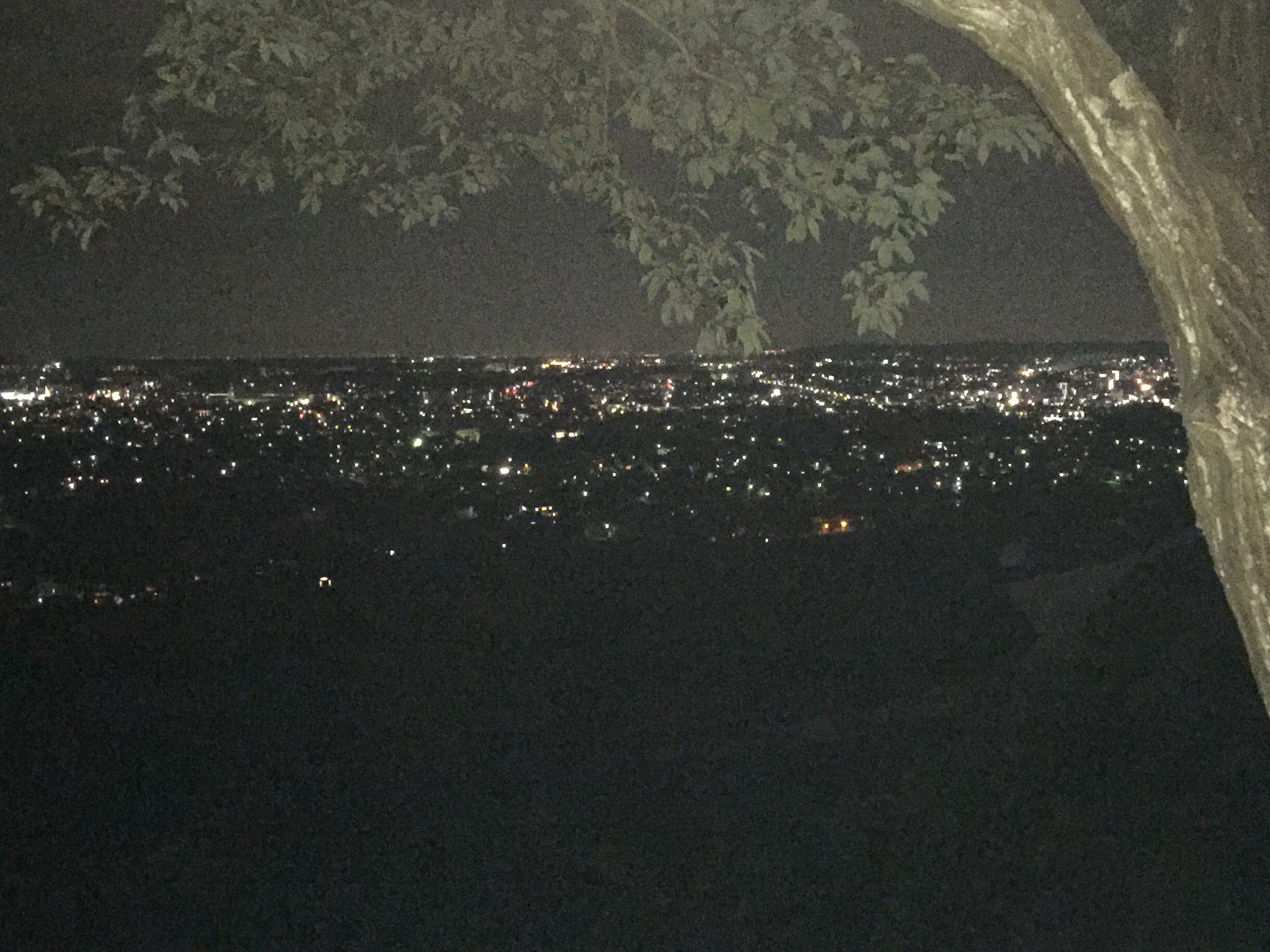
It is not known exactly when this shrine, formerly known as Fujisengen or Kotohira-sha was founded. It is dedicated to the god Konohanasakuyahimenomikoto, Homusubinokami, Okuninushinokami and the Emperor Sutoku. In the third year of the Meiji era (1870), in combination with Akiba-She, the name was changed to Hamura Shrine. However, it is commonly referred to as Sengen. This area, known as Sengenyama, is about 220 meters above sea level, atop a sheer cliff, so the view of Hamura Cities very beautiful. The Honden, or main shrine, was built from stone during the Meiji era. In Showa 45 (1970) the roof of the main shrine was rebuilt in the “nagger” (sweeping curve) style of Shinto architecture, a Shinsei-style Torii was erected and the other stone wall was entirely renewed. The annual festival, on April 3, is presided over by Chief Priest Miyagawa, who is also in charge of Hamura City’s Aso Shrine.
Photo Gallery
Video
Home | Photo Gallery | Podcasts | Videos
]]>